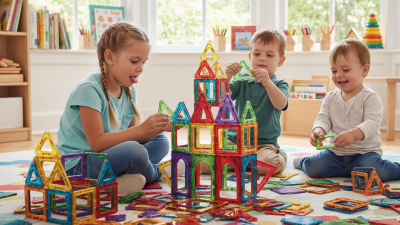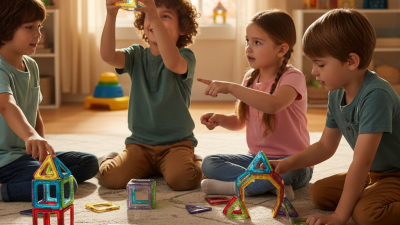
As we look ahead to 2026, the market for Small Magnetic Blocks is poised for significant growth. According to a recent industry report, the global market is expected to reach $1.5 billion, driven by increasing demand from educational sectors and creative industries. These versatile toys stimulate creativity, cognitive skills, and fine motor development in children.
However, the landscape is not without challenges. Some manufacturers face issues related to quality control and safety regulations. The need for high-grade materials is essential to meet consumer safety standards. The recent surge in demand also emphasizes the importance of sustainability practices in production.
The trend suggests that innovative designs and features will dominate the market. Buyers should be attentive to new variations, such as magnetic blocks with embedded technology. As the market evolves, staying informed is crucial. Engaging with reliable sources can help navigate trends in Small Magnetic Blocks effectively.

As we approach 2026, the landscape of small magnetic block design is evolving rapidly. New materials and environmentally friendly options are on the rise. These innovations not only enhance durability but also improve safety for young users. The trend leans towards vibrant colors and unique shapes, capturing the imagination of both children and adults alike.
Tips: Choose blocks that promote creativity. Look for designs that allow multiple configurations. This flexibility encourages problem-solving and imaginative play.
Another aspect to consider is the integration of technology. Some products now feature augmented reality experiences. Users can interact with their creations in virtual spaces. This blending of physical and digital play enhances user engagement significantly.
Tips: Focus on durability when selecting blocks. High-quality materials ensure a longer lifespan. Also, consider magnetic strength; too weak can lead to frustration.
| Trend | Description | Expected Impact | Target Market |
|---|---|---|---|
| Eco-Friendly Materials | Increased use of sustainable materials in block production. | Positive environmental impact and appeal to eco-conscious consumers. | Parents and educators. |
| Interactive Technology | Incorporation of AR and digital interfaces with magnetic blocks. | Enhanced interactivity and learning experiences. | Tech-savvy families and educational institutions. |
| Customizable Designs | Blocks that allow personalization and unique configurations. | Higher engagement and creative potential for users. | Children and creative professionals. |
| Educational Focus | Blocks designed to support STEM learning and cognitive development. | Increased demand in educational markets. | Schools and educational organizations. |
| Compact and Portable | Designs that prioritize portability for easy travel and storage. | Growing market for on-the-go play and learning. | Traveling families and outdoor educators. |

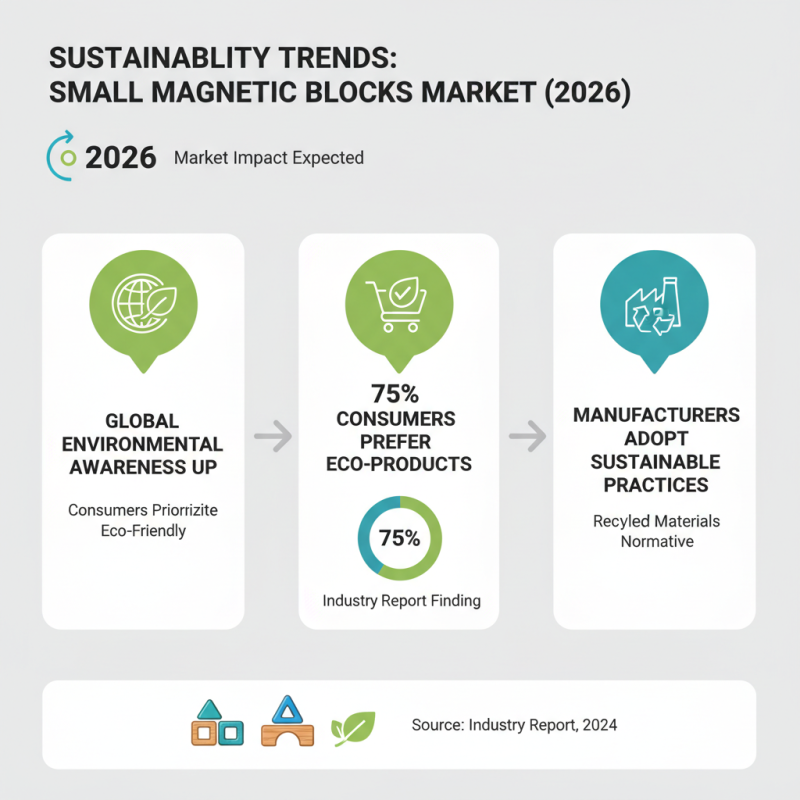
In 2026, the small magnetic blocks market is expected to feel the impact of sustainability trends. Globally, awareness of environmental issues has risen sharply. A recent industry report indicates that 75% of consumers prefer eco-friendly products. This shift is urging manufacturers to adopt sustainable practices in production. Using recycled materials is becoming the norm.
One effective strategy is sourcing magnets from sustainable suppliers. Certifications for eco-friendly materials can build consumer trust. The market is evolving. Buyers now want transparency about product origins. Research shows that 65% of shoppers are willing to pay more for sustainable options.
**Tip:** Look for products with certifications for recycled content. This small detail can enhance your brand’s credibility. Stay updated on industry standards for sustainability.
Furthermore, the design aspect is also crucial. Many consumers seek unique, aesthetically pleasing products. The balance between sustainability and attractive design is key. Companies face challenges in maintaining performance while prioritizing eco-friendliness. Constant innovation is necessary.
**Tip:** Engage with your audience about sustainability efforts. This fosters community and loyalty. Small voices in the industry can drive significant change. Keep refining your approach to meet evolving consumer expectations.
The landscape of magnetic block play is evolving rapidly, driven by shifting consumer preferences. Research indicates that 72% of parents prioritize educational toys that promote STEM skills. This trend highlights a desire for products that not only entertain but also support cognitive development. The easy-to-use design of magnetic blocks appeals to young children, fostering creativity and problem-solving abilities.
Sustainability is another key factor influencing buying decisions. A notable survey reveals that 68% of consumers prefer eco-friendly materials in toys. Brands that focus on sustainability resonate with environmentally conscious shoppers. However, there is still a significant gap between consumer demand and available products. Many buyers are frustrated by the lack of reliable eco-options on the market. This presents an opportunity for manufacturers to innovate and develop sustainable solutions.
Additionally, the appeal of open-ended play is growing. Many studies show that open-ended toys enhance children's imagination and creativity. However, the challenge lies in ensuring that the products remain safe and high-quality. The market sees numerous releases, but not all meet these essential safety benchmarks. This inconsistency can lead to consumer skepticism. By addressing these concerns, brands can better cater to evolving market needs and preferences.
As the global market for small magnetic blocks continues to evolve, key players are adopting innovative strategies to enhance their presence. According to a 2023 industry report, the small magnetic blocks market is projected to grow at a CAGR of 8% from 2026 to 2030. This growth presents challenges alongside opportunities. Companies must navigate supply chain disruptions while meeting rising consumer demands for high-quality products.
One strategy involves focusing on sustainable sourcing. Manufacturers are increasingly using eco-friendly materials to appeal to environmentally conscious consumers. Recent statistics indicate that over 50% of buyers prioritize sustainability in their purchasing decisions. However, the transition to sustainable practices is complex. Not all players have the capacity or willingness to invest in green technologies.
Additionally, collaboration with educational institutions is gaining traction. Such partnerships foster innovation and help develop new applications for small magnetic blocks, especially in STEM education. Despite the clear benefits, establishing these alliances requires significant effort and investment. Finally, market players must continuously evaluate their customer engagement strategies to retain a competitive edge in this dynamic landscape.
This chart illustrates the projected growth trends in different aspects of the small magnetic blocks market for global buyers in 2026.
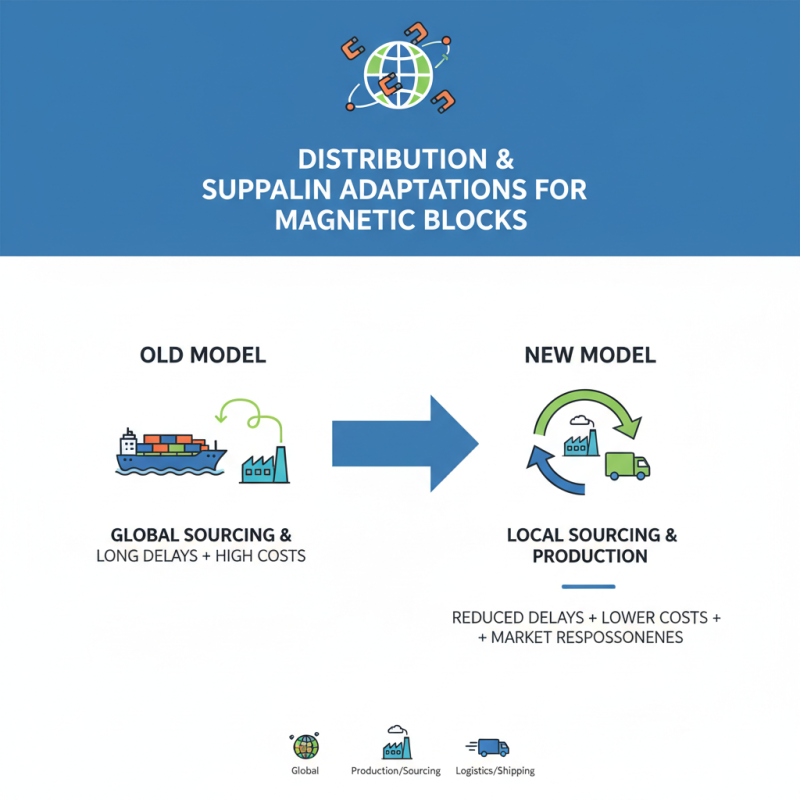
The global distribution of small magnetic blocks is undergoing significant transformations. Recent supply chain disruptions have prompted manufacturers to rethink logistics. They are now focusing on local sourcing and production. This reduces delays and shipping costs while enhancing responsiveness to market demands.
Countries with advanced manufacturing infrastructure are gaining prominence. They can rapidly adapt to orders and stock needs. However, this shift presents challenges. Businesses must ensure quality control while managing costs. Balancing efficiency with quality is not straightforward. Companies may find themselves navigating uncharted territories as they innovate.
Evolving consumer preferences also shape the market. Eco-friendly materials are becoming increasingly desired. Yet, many suppliers struggle to find reliable sources. This inconsistency can hinder product offerings. Navigating regulations and sustainability requirements adds complexity. The industry must foster collaboration to tackle these intricate challenges while striving for customer satisfaction.