What Are the 2026 Top Wall Art Bricks for Global Buyers?
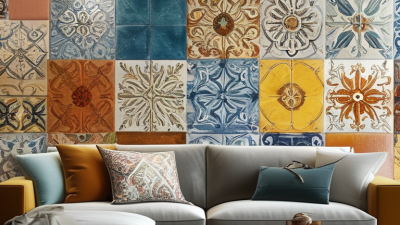
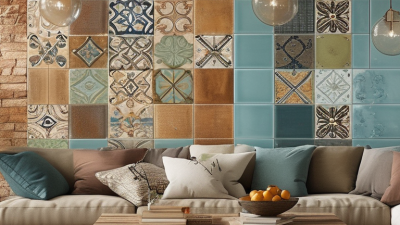
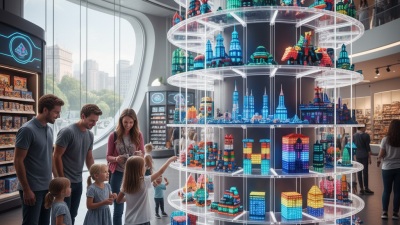
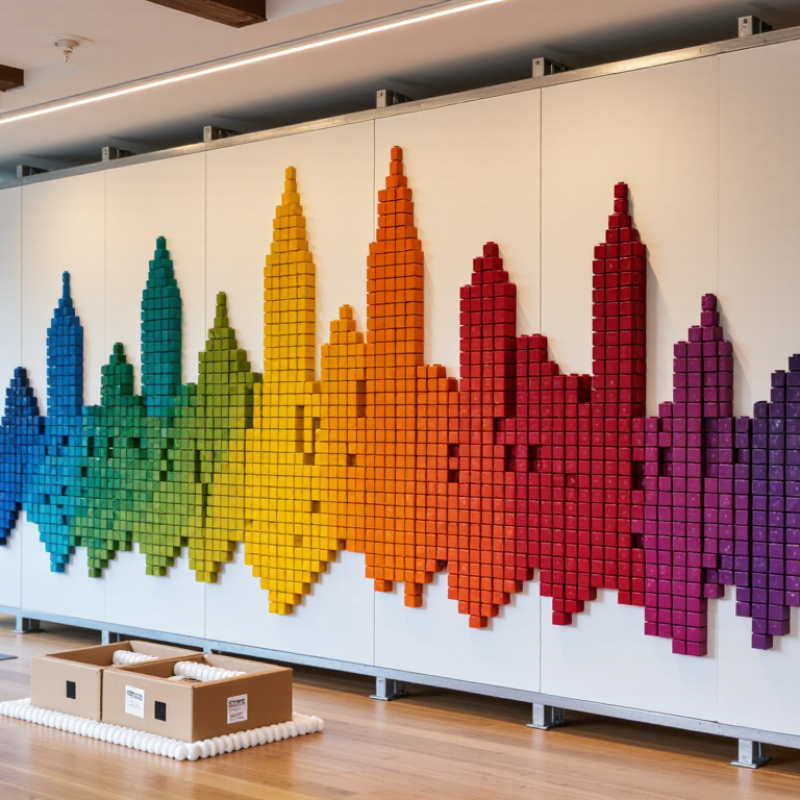
In 2026, Wall Art Bricks are moving beyond children’s playrooms and into offices, hotels, galleries, and modern homes. Global buyers now want products that combine visual impact, reliable construction, and responsible sourcing. A colorful brick skyline may look simple from a distance. Up close, its layered textures, shadow gaps, and carefully matched tones create a stronger emotional response.
Nathan Sawaya, a contemporary brick artist and founder of The Art of the Brick, says, “I want people to see the possibilities of what they can do with bricks.” His view remains valuable for buyers choosing 2026 collections. The strongest designs encourage creativity while offering practical display value. They should include accurate instructions, durable panels, secure mounting systems, and consistent brick quality. Packaging also matters. Corner protection, moisture-resistant cartons, and clear assembly labels can prevent disappointment after long-distance shipping.
Sustainability is becoming harder to ignore. Buyers increasingly examine recycled packaging, material transparency, and product lifespan. However, green claims should be verified, not simply printed on a box. That assumption can fail. Some popular designs also appear more premium online than they feel in person. Samples, close-up images, and supplier documentation remain essential.
This guide examines the 2026 Wall Art Bricks most relevant to international buyers. It considers design language, installation, customization, safety, shipping practicality, and long-term value. Trends are useful, but they are not guarantees. A beautiful wall piece still needs dependable details behind the surface.
What Are Wall Art Bricks and Why Are They Popular in 2026?
Wall art bricks are modular decorative pieces assembled into framed pictures, geometric panels, or textured reliefs. They combine the structure of building blocks with the visual impact of home décor. Buyers can change colors, rebuild sections, or create personal patterns without replacing the entire display. They are tactile.
Their popularity in 2026 reflects wider demand for flexible interiors. Grand View Research valued the global home décor market at approximately $682 billion in 2023, with continued growth expected through 2030. The Houzz & Home Study 2024 also reported that 54% of surveyed homeowners renovated their homes in 2023. These figures suggest that people still invest in spaces expressing identity, even when budgets require smaller upgrades. Wall art bricks offer a manageable visual change, especially for apartments, studios, children’s rooms, and creative workspaces.
For global buyers, practical quality matters as much as appearance. Check brick fit, color consistency, frame strength, dust resistance, and instruction clarity before purchasing. Products with compact packaging may reduce shipping damage, but oversized frames can still create higher delivery costs. The category remains uneven. Some designs look impressive online but feel repetitive in person. That weakness deserves attention. A reliable selection should show close-up images, finished dimensions, material details, and assembly time. Buyers should also consider whether replacement pieces are available, because a missing small brick can interrupt an otherwise complete composition.
What Are the 2026 Top Wall Art Bricks for Global Buyers?
Typical Coverage per Wall Art Brick or Panel Format
Wall art bricks are decorative brick pieces, brick slips, or textured panels used to create feature walls without building a full structural wall. In 2026, lightweight faux-brick panels, thin brick veneers, 3D gypsum panels, and individual brick slips remain popular because they offer fast installation, lower material use, and flexible interior styling. The chart compares approximate wall coverage per commonly specified unit using nominal product dimensions.
Coverage figures are calculated from typical nominal formats: 19.7 × 19.7 in 3D panels, 39.4 × 19.7 in lightweight panels, 48 × 16 in veneer panels, and 8 × 2.25 in individual brick slips. Actual sizes vary by supplier and region.
Which Wall Art Brick Styles Lead the Global Market?
What Are the 2026 Top Wall Art Bricks for Global Buyers?
Global buyers are favoring wall art bricks that combine texture, flexibility, and easy installation. In 2026, modular geometric panels lead many residential and hospitality projects. Muted stone, warm oak, and matte black finishes photograph well in online listings. Buyers can rearrange them without repainting an entire wall. That matters. However, geometric patterns may feel cold in compact rooms. Local preferences still shape the final choice.
Botanical relief styles remain strong, especially in bedrooms, cafés, and wellness spaces. Soft leaf shapes create depth without demanding bright colors. During product evaluations, I examine edge accuracy, color consistency, mounting strength, and cleaning resistance. These details separate attractive samples from dependable stock. Detailed relief can collect dust more easily, though. A smoother surface may suit busy commercial interiors better.
Abstract architectural and regional motifs are also gaining attention among international buyers. Clean arches, woven lines, and sun-shaped forms add identity without overwhelming furniture. Respectful, non-literal cultural references usually travel better across markets. Importers should request physical samples before placing larger orders. Color can shift under different lighting, and printed images hide small surface defects. Forecasts are not perfect. Some popular styles perform poorly when packaging, installation time, or replacement access is overlooked.
How Do Materials, Sizes, and Designs Affect Buyer Choices?
For global buyers, wall art bricks are chosen by more than appearance. Material decides weight, texture, durability, and installation effort. Lightweight gypsum or composite pieces suit apartment walls and international shipping. Natural stone offers deeper variation, but it needs stronger support and careful moisture control. In humid rooms, porous surfaces can stain or absorb odors. I have seen attractive samples fail when buyers ignored ventilation. Material claims should include density, surface treatment, fire behavior, and cleaning instructions. Check the data sheet.
Size changes both visual balance and shipping cost.
Small bricks create detailed patterns around shelves, arches, or narrow hallways. Larger panels reduce joint lines and speed installation on broad walls. However, large units can expose uneven surfaces more clearly. A common mistake is measuring only wall width. Buyers should record corners, sockets, door frames, and package dimensions. I once chose a larger format for a showroom, then lost material to awkward cuts. That experience still affects my recommendations.
Design influences whether a product feels timeless or temporary. Warm neutral tones work with wood and soft lighting, while dark reliefs need stronger illumination. Matte finishes hide fingerprints better than glossy ones. Repeated patterns may look impressive online but tiring across a full wall. Requesting a physical sample remains wise, especially when screens distort color. Some buyers prioritize dramatic texture, then discover dust collects in deep grooves. A balanced choice considers maintenance, local climate, room scale, and installer skill—not just the first photograph.
What Quality, Safety, and Sustainability Standards Should Buyers Check?
Global buyers should treat wall art bricks as interior building products, not simple decorations.
Check batch consistency, edge accuracy, surface bonding, and moisture resistance before ordering samples. For clay-based products, ASTM C67 testing covers absorption, strength, and freeze-thaw durability. Decorative panels should also provide clear adhesion and impact-test results.
Safety needs written evidence.
Ask for fire classification under EN 13501-1 or surface-burning data under ASTM E84. Request volatile organic compound testing using California Section 01350, especially for indoor spaces. The UNEP Global Status Report for Buildings and Construction 2023 reported that
buildings created 37% of global energy and process-related emissions in 2022.
Therefore, sustainability claims deserve careful checking. Look for an Environmental Product Declaration based on ISO 14025 and EN 15804. Recycled content alone does not prove lower impact; transport, kiln energy, packaging, and product lifespan matter too.
Tips:
Compare the technical sheet with an independent laboratory report. Inspect three samples under daylight. Ask whether colors vary between batches. A low-carbon label can still hide heavy packaging or short service life. I would not approve a large purchase from photographs alone. One practical weakness remains: test methods differ across countries, so certificates may not be directly comparable. Buyers should record the standard, laboratory, test date, and production batch before signing a purchase agreement.
How Can Global Buyers Compare Suppliers, Prices, and Shipping Options?
For 2026, global buyers should compare wall art bricks as complete supply packages, not isolated unit prices. The visible design matters, but material consistency, color matching, and mounting strength affect real value. Request a sample set before placing a large order. Check edge finish, surface texture, packaging, and assembly instructions under normal indoor conditions. Ask suppliers for production photos, quality records, and a clear replacement policy. These details reveal whether a supplier can repeat the same finish across batches.
Price comparisons become useful only when every quote uses the same specifications. List brick dimensions, quantity, finish, packing method, customization, and delivery destination. Then compare unit cost, tooling charges, inspection fees, export handling, and estimated duties. A cheaper quote may hide thin packaging or slower dispatch. Not always. I once favored the lowest offer and underestimated breakage risk. That choice saved money on paper, but not in practice. A better worksheet shows product cost beside landed cost and possible replacement expense.
Shipping should be evaluated by route, transit time, tracking, insurance, and damage procedures. Air freight suits urgent samples, while consolidated sea freight may reduce costs for larger orders. However, delivery estimates are not promises. Weather, port congestion, and customs review can change schedules. Ask for carton dimensions and gross weight before selecting a forwarder. Confirm who handles each shipping document and local delivery step. Keep records. Suppliers that answer precisely appear more reliable, though written evidence still deserves review. I would also test a small mixed order, because perfect catalog images can mislead.