Top 10 Benefits of Using Magnetic Tiles in China for Creative Learning
Magnetic tiles have gained popularity in China, especially for creative learning. These versatile Tiles Magnetic stimulate imagination and enhance cognitive development in children. They come in various colors and shapes, making them visually appealing and fun to use.
Using magnetic tiles in educational settings provides hands-on experiences. Children engage in building structures while improving their motor skills. However, not all magnetic tiles are created equal. Some may lack the durability needed for long-term use. It’s essential to select high-quality tiles to ensure safety and effectiveness in learning.
Teachers and parents observe the joy children express while playing with magnetic tiles. This engagement fosters creativity and problem-solving skills. Yet, the challenge lies in guiding them towards structured play. Balancing free play with educational objectives can be tricky. Nevertheless, when used correctly, Tiles Magnetic turn learning into an enjoyable adventure.
Benefits of Magnetic Tiles for Enhancing Creative Learning in China
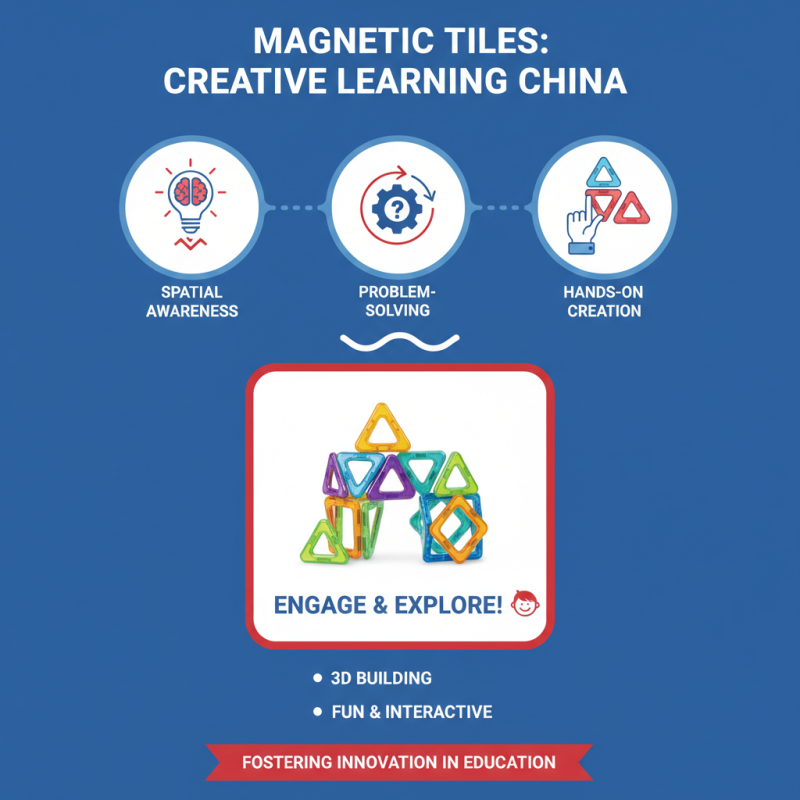
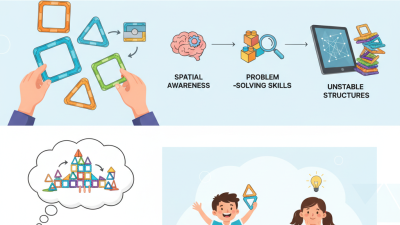
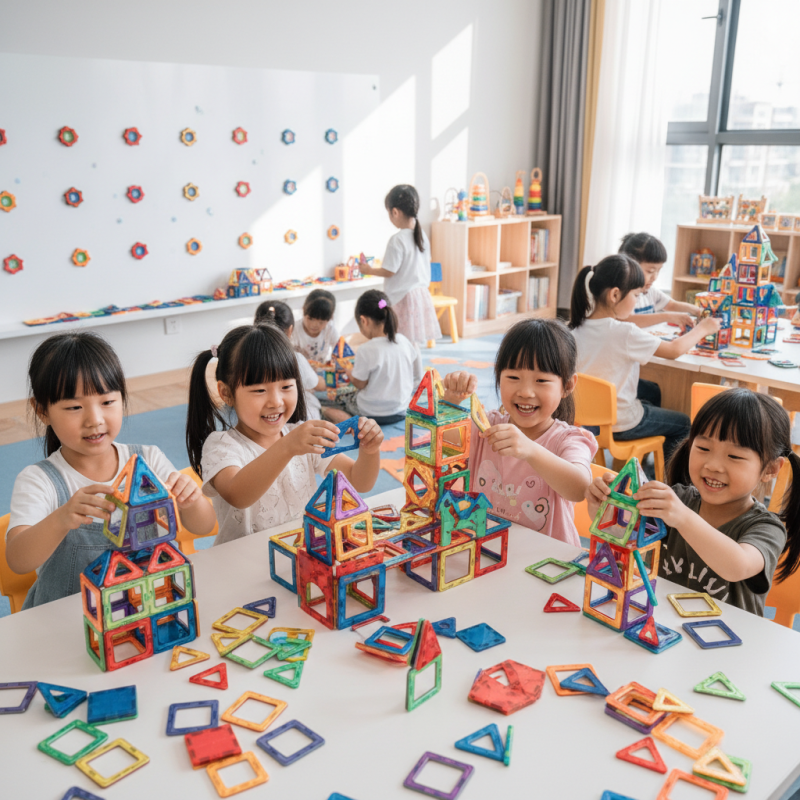
Magnetic tiles have become a popular tool for enhancing creative learning in China. They provide a hands-on approach to education. Students can build three-dimensional structures, developing spatial awareness and problem-solving skills. This tactile experience engages young minds and fosters creativity. Children learn best when they explore and create. Magnetic tiles make learning fun and interactive.
In addition to enhancing creativity, these tiles support collaboration among students. Groups can work together to build intricate designs. This teamwork improves communication skills and encourages social interaction. Children learn to share ideas and resources. However, not all students thrive in group settings. Some may struggle with collaboration and need guidance. It's essential to tailor the learning experience to each child's needs.
The versatility of magnetic tiles allows for endless possibilities. They can be used in various subjects like math, science, and art. For example, children can use them to visualize geometric concepts. But, it’s important to remember that overreliance on these tools may hinder other learning methods. Striking a balance is key to ensuring a well-rounded educational experience.
The Role of Magnetic Tiles in Developing STEM Skills Among Children
Magnetic tiles have become crucial tools in fostering STEM skills among children in China. These colorful, geometric shapes attract young minds, encouraging exploration. Children can create structures, which improves their spatial awareness. As they connect tiles, they gain hands-on experience with basic engineering principles. The trial-and-error process promotes critical thinking and problem-solving.
Working with magnetic tiles allows kids to experiment freely. They can build varying designs, from simple houses to complex shapes. This experimentation helps them understand balance and symmetry. It's not always easy; sometimes, structures collapse. These moments teach resilience and innovation. Children learn that failure is a part of the process.
In addition to engineering, magnetic tiles help develop mathematical skills. Kids work with different shapes and sizes, enhancing their geometry knowledge. They begin to grasp concepts like perimeter and area through play. This interactive learning is vital. However, children must often be guided to connect these abstract concepts to real-life applications.
The collaboration that occurs during play also fosters teamwork and communication skills. It’s clear that magnetic tiles play a significant role in engaging children in STEM education.
How Magnetic Tiles Foster Imagination and Problem-Solving Abilities
Magnetic tiles provide a unique platform for nurturing creativity and enhancing problem-solving skills in children. Studies suggest that hands-on play encourages cognitive development. A report from the International Journal of Early Childhood Education indicates that children engaging in creative activities exhibit a 25% increase in critical thinking abilities. Magnetic tiles, with their vibrant colors and versatile shapes, enable children to experiment and explore.
Through construction, kids develop spatial awareness and logical thinking. They learn to visualize the final outcome while manipulating pieces. Observational research shows that children who frequently use building toys score higher on problem-solving assessments. The process can be messy and chaotic. Yet, this unstructured play fosters resilience and adaptability. Children must learn to overcome setbacks as their structures may not hold initially.
Magnetic tiles also promote collaboration. When children work in groups, they share ideas and strategies. This interaction enhances communication skills. However, it may lead to conflicts, teaching children negotiation skills. Not every interaction will be smooth. Some may struggle with sharing or decision-making. These challenges, though imperfect, are opportunities for growth and self-reflection. Thus, magnetic tiles serve as more than just toys; they are tools for lifelong skills.
Magnetic Tiles as a Tool for Collaborative Learning and Social Interaction
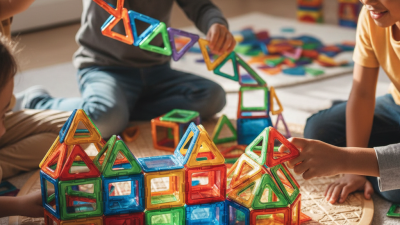
Magnetic tiles offer a unique approach to collaborative learning. In educational settings across China, these colorful tiles encourage students to work together. As children build structures, they engage in discussions. This dialogue fosters essential social skills. Teamwork becomes natural during play.
The tactile nature of magnetic tiles is vibrant and inviting. Students sharing ideas around a table can boost their creativity. They learn to respect different viewpoints while constructing their projects. Conflict may arise; disagreements can lead to deeper understanding. Questions emerge, prompting reflection on their methods and ideas.
Teachers notice changes in classroom dynamics. Students who once hesitated to speak are now actively participating. Magnetic tiles create an environment that values each voice. However, not all interactions are smooth. Some groups struggle with communication. These challenges present opportunities for growth. By navigating these moments, students develop resilience and adaptability.
Top 10 Benefits of Using Magnetic Tiles in China for Creative Learning
| Benefit |
Description |
Impact on Learning |
| Enhances Creativity |
Magnetic tiles encourage imaginative play and design, allowing children to express their creativity. |
Promotes original thinking and artistic expression. |
| Encourages Collaboration |
Children can work together to build larger structures, fostering teamwork and communication. |
Develops social skills and shared responsibility. |
| Develops Spatial Awareness |
Manipulating tiles helps children understand shapes and space relationships better. |
Supports geometry and design concepts. |
| Improves Fine Motor Skills |
Building with tiles requires precision and control, enhancing dexterity. |
Aids in the development of hand-eye coordination. |
| Fosters Problem-Solving Skills |
Children face challenges while constructing, prompting critical thinking and solutions. |
Enhances analytical abilities. |
| Encourages Persistence |
Working on complex structures teaches children to stick with tasks until completion. |
Strengthens resilience and determination. |
| Promotes STEM Learning |
Magnetic tiles can be a fun introduction to concepts in science, technology, engineering, and math. |
Builds interest in STEM fields from a young age. |
| Teaches Geometry |
Kids learn about shapes, angles, and symmetry through play. |
Enhances mathematical understanding and skills. |
| Increases Engagement |
The tactile nature of magnetic tiles captivates children's attention and keeps them engaged. |
Improves focus and desire to learn. |
| Facilitates Independent Learning |
Children can explore and create at their own pace, promoting self-directed learning. |
Encourages autonomy and self-confidence. |
The Impact of Magnetic Tiles on Spatial Awareness and Fine Motor Skills
Magnetic tiles are gaining popularity in educational settings across China. They play a crucial role in enhancing spatial awareness in children. As they connect and disconnect easily, children learn about shapes, sizes, and balance. This hands-on interaction helps them visualize how different structures come together. Each time a child builds, they explore concepts of geometry. They start to understand angles and symmetry while enjoying the playful aspect of building.
In addition to spatial awareness, magnetic tiles promote fine motor skills. Children pinch, grasp, and manipulate the tiles, strengthening their hand muscles. This action is essential for later tasks like writing or using utensils. Moreover, working with these tiles can sometimes lead to frustration when structures collapse. This feeling teaches resilience, encouraging children to try again. They learn that mistakes are part of the creative process, reflecting on what works and what doesn’t.
Overall, the integration of magnetic tiles in learning provides an effective medium for developing key cognitive skills. The joy of creation, combined with the challenge of building, makes for a well-rounded educational experience. However, it is essential to remember that not every attempt will be successful, but that's where growth occurs.