How to Choose the Best Lego Building Blocks for Your Kids?
Choosing the right Lego Building Blocks for your kids can be a fun yet challenging task. With countless options available, it's easy to feel overwhelmed. Lego offers a versatile platform for creativity and problem-solving. Some sets are designed for specific age groups, while others cater to various interests. Understanding your child’s preferences is crucial.
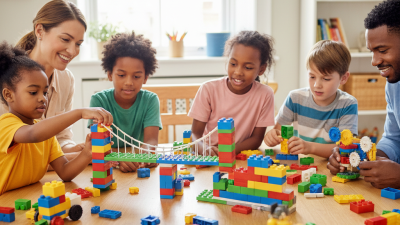
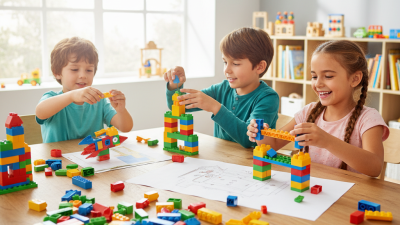
When selecting Lego Building Blocks, consider their developmental stage. Younger children benefit from larger, easier-to-handle pieces. Older kids may enjoy intricate sets that challenge their skills. Look for sets that encourage open-ended play. These options allow kids to explore their creativity and build unique creations.
Reflecting on your child's interests can also guide your choice. If they love cars or animals, select themed sets that align with those passions. Don't overlook educational value either. Many Lego kits promote STEM learning, enhancing critical thinking. Ultimately, the best Lego Building Blocks will inspire joy and imagination, leading to countless hours of constructive play.
Understanding the Importance of Age-Appropriate Lego Sets
Choosing the right Lego building blocks for children is crucial. Age-appropriate sets foster not only creativity but also essential skills. Studies show that children engage better with toys designed specifically for their developmental stage. For instance, Lego sets geared towards younger kids often feature larger pieces. These pieces reduce choking hazards and are easier to manipulate.
A report from the American Academy of Pediatrics highlights the significance of safe toy selection. It emphasizes that age-appropriate toys enhance cognitive skills and problem-solving abilities. Children aged 1 to 3 benefit from simple structures that develop motor skills. On the other hand, kids aged 4 to 6 require more complex sets that promote critical thinking and collaboration. The right set can ignite a child’s imagination and provide a meaningful play experience.
However, one must also consider individual interests. Not every child will gravitate towards the same themes. Some may enjoy fantasy sets, while others prefer vehicles or buildings. Observing your child’s play patterns can guide selections. Reflecting on mistakes in choosing past sets may help avoid repetitive errors in future purchases. In the end, striking the right balance between safety and engagement is key to nurturing your child’s creative potential.
Identifying Different Types of Lego Building Blocks Available
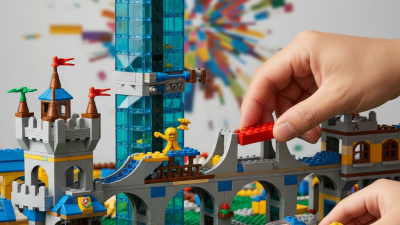
When selecting the best Lego building blocks for kids, it's crucial to understand the different types available. There are classic bricks, themed sets, and specialized pieces for advanced builds. Classic sets offer endless creativity, while themed sets can inspire kids based on their interests. Specialized pieces, like wheels or connectors, help bring more complex ideas to life.
Tips: Always consider your child's age and building skills. Younger kids may benefit from simpler, larger blocks, while older children might enjoy intricate sets with diverse pieces. Pay attention to the recommended age on the box. It’s essential to ensure safety and avoid frustration for young builders.
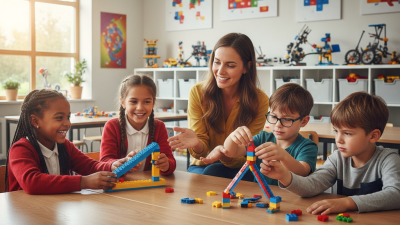
Furthermore, don’t overlook the educational aspect of Lego. Building with these blocks can enhance problem-solving and creativity. Choose sets that encourage imaginative play. Combined kits can lead to unique projects but may require adult supervision for younger users. It’s important to occasionally review your child’s interest and skills. What may work today might not hold their attention tomorrow. Tailoring the choice to their evolving preferences can inspire a lifelong love for building.
Evaluating Safety Standards and Quality of Lego Products
When selecting building blocks for children, safety matters. It's essential to assess safety standards. Many toys must meet rigorous testing protocols. Look for certifications indicating compliance with these standards. This ensures that materials used are non-toxic. Also, check for small parts if safety is a concern. Smaller pieces can pose choking hazards.
Quality often reflects safety. High-quality building blocks resist wear and tear. They'll endure rough play and last longer. Check the feel of the blocks. They should be sturdy and free of sharp edges. Consider reading reviews before purchasing. Consumer feedback can reveal safety issues overlooked by manufacturers. A few reviews may describe unexpected risks.
Consider your child's age and play habits. Younger children need blocks designed for their skill level. But even safe products may not guarantee perfect play experiences. Some blocks may stick together too tightly or too loosely. Such factors can lead to frustration. Reflecting on these aspects helps ensure a pleasant building experience.
Considering Educational Benefits of Lego Play for Kids
When selecting Lego building blocks, consider their educational benefits. Research shows that play with such blocks enhances cognitive skills in children. For instance, a study by the American Psychological Association found that children who engage in construction play improve their spatial skills significantly. These skills are fundamental for subjects like math and engineering.
Hands-on play encourages creativity and problem-solving. An article in the Journal of Educational Psychology highlights that kids who build with blocks tend to develop persistence. They learn to solve problems and think critically. However, not every child engages equally. Some may find frustration in complex designs. It’s vital to offer challenges that suit their ability levels.
In addition, collaborative play with blocks can foster social skills. A report by the National Association for the Education of Young Children indicates that group block play enhances communication and teamwork. However, it’s essential to observe how children interact. Some may dominate, while others could hesitate to join. Finding the balance is key to maximizing the educational potential of Lego play.
How to Choose the Best Lego Building Blocks for Your Kids? - Considering Educational Benefits of Lego Play for Kids
| Criteria |
Description |
Educational Benefits |
| Age Appropriateness |
Choose sets that are suitable for your child's age group to ensure safety and engagement. |
Encourages problem-solving skills and cognitive development. |
| Complexity of Sets |
Select sets with varying complexity to match your child's building skills and interest. |
Boosts critical thinking and engineering skills. |
| Theme of the Set |
Consider themes that align with your child’s interests (e.g., space, architecture, vehicles). |
Stimulates creativity and imaginative play. |
| Number of Pieces |
Analyze the piece count to ensure it's enough to foster creativity while being manageable. |
Enhances fine motor skills and hand-eye coordination. |
| Quality and Durability |
Opt for high-quality blocks that can withstand rough play and be used over time. |
Promotes perseverance and resilience through repeated use and creative building. |
Exploring Themes and Interests to Enhance Building Experience
When selecting Lego building blocks for children, it's vital to consider their themes and interests. Research from the Toy Industry Association reveals that 75% of kids prefer toys that reflect their favorite characters or activities. Engaging with these themes enhances creativity and motivation during play. For instance, a child fascinated by space may enjoy sets that incorporate rockets and astronauts.
Tips: Observe the child’s interests. If they love animals, look for sets related to wildlife or pets.
Additionally, diverse themes can promote various skills. Blocks focused on architecture encourage spatial awareness and design thinking. Reports from the American Academy of Pediatrics suggest that building toys foster fine motor skills and problem-solving abilities in young children. This makes exploring themes crucial in supporting their development.
Tips: Rotate themes periodically. This prevents boredom and offers new challenges.
Encouraging kids to express their stories through their builds is essential too. Some children may struggle to convey their thoughts. By connecting themes with storytelling, you can unlock their imagination further, providing deeper engagement in the building experience.