Top 10 Creative Ways to Use Lego Building Blocks for Fun and Learning?
In today's world, creativity and learning go hand in hand. Lego Building Blocks are more than just toys; they are tools for imagination. As Dr. Emily Carter, a renowned expert in educational play, says, "Lego Building Blocks inspire children to think critically and build their visions."
These colorful bricks offer endless possibilities. Children can create anything from simple cars to complex structures. Each building project enhances their problem-solving skills. However, some adults overlook the importance of play in education. They might think it's just child's play without recognizing its value for critical thinking.
Even so, using Lego Building Blocks effectively requires intention. It's essential to engage learners by posing challenges. For example, building a bridge can teach engineering principles. The tactile nature of the blocks fosters collaboration, yet some may struggle with teamwork. As we explore creative ways to use these blocks, it’s crucial to acknowledge these challenges. They provide valuable lessons alongside fun.
Creative Construction: Building Structures with Lego Blocks
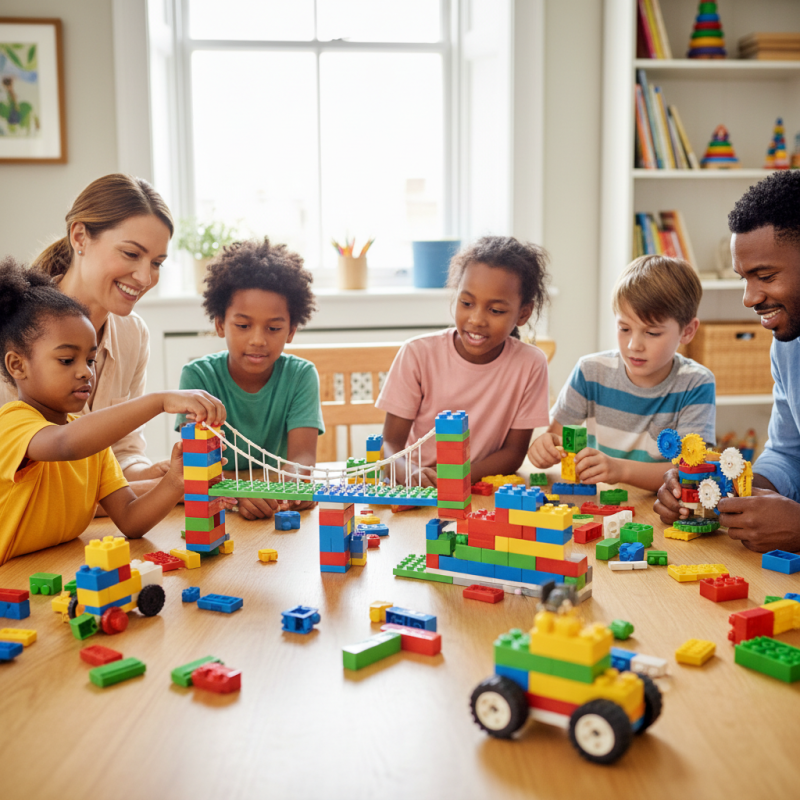
Building structures with Lego blocks offers endless opportunities for creative construction. Children and adults alike can engage in hands-on learning experiences that sharpen problem-solving skills. According to a study from the University of Edinburgh, play with construction toys like Lego enhances spatial awareness, a key skill for success in STEM fields.
Imagining a complex tower or a futuristic vehicle can spark creativity. However, the challenge often lies in bridging ideas with actual construction. Many people struggle to translate concepts into tangible designs. This disconnection can be frustrating, but it is also a part of the learning process. Overcoming these hurdles fosters resilience.
Building with Lego is not just a pastime; it's a way to improve cognitive abilities. A report from the LEGO Foundation highlights that construction play promotes critical thinking and collaboration. In a group setting, individuals learn to communicate ideas effectively, reinforcing social skills. Yet, the need for communication can sometimes expose misunderstandings. These moments push participants to reflect and adapt, leading to greater collective creativity.
Educational Games: Using Lego for Math and Science Learning
Building blocks can spice up learning. They offer a fun way to engage with math and science. Kids love creating something tangible. Using these blocks, students can explore concepts like addition and subtraction. For example, linking blocks can illustrate the idea of combining numbers. This hands-on approach often leads to better understanding.
Science concepts come alive with building blocks. Constructing simple machines teaches physics principles. Kids enjoy experimenting with weight and balance. They can build a bridge and test its strength. This trial-and-error process encourages critical thinking. It’s okay if the bridge collapses. Each failure is a lesson. Feedback is essential for growth.
Educators can design challenges around these blocks. Students can create models of ecosystems or even the solar system. This fosters creativity while reinforcing scientific concepts. Learning feels less like a chore. It becomes an adventure. However, sometimes kids might feel frustrated. Not every design will work perfectly. Emphasizing perseverance can help them overcome these challenges.
Storytelling and Imagination: Creating Narratives with Lego Builds
Lego building blocks offer endless opportunities for storytelling and imagination. Kids can create their own unique worlds with simple bricks. Each piece has the potential to spark creativity. A single block can become a character, a vehicle, or even a mystical castle. Emphasizing narrative in their builds fosters a deeper connection to their creations.
Tip: Encourage children to think beyond standard configurations. Ask them to create stories based on their Lego builds. What adventures do their characters undertake? Who are the heroes or villains? This approach nurtures their narrative skills and critical thinking. It also allows for exploration of different perspectives.
Creating a narrative also involves challenges. Not every idea will work out. Some attempts might feel flat or uninspired. It's important to reflect on these moments. Perhaps the story didn't flow, or the build was too complex. Encourage kids to revise their ideas. This process can lead to unexpected and delightful outcomes. Engaging with their Lego creations in this way transforms play into a powerful learning experience.
Top 10 Creative Ways to Use Lego Building Blocks for Fun and Learning
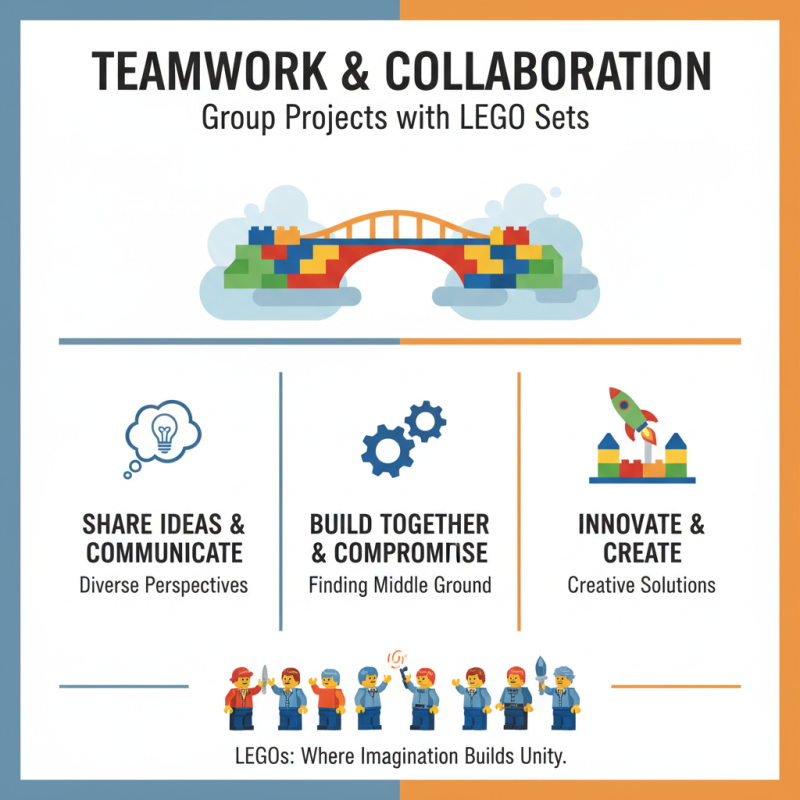
Teamwork and Collaboration: Group Projects with Lego Sets
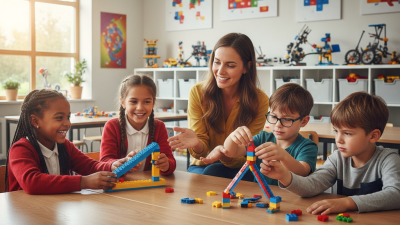
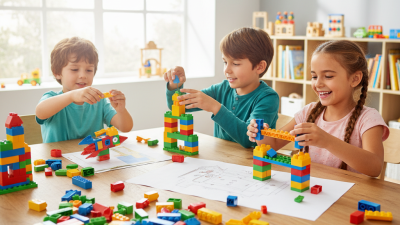
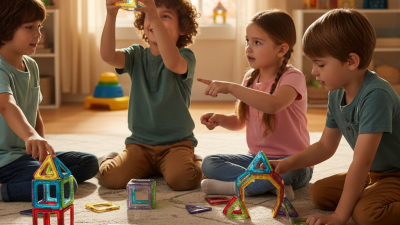
Working together on Lego projects can foster teamwork and collaboration. When a group of friends or classmates tackle a challenge, they learn to communicate and share ideas. Each person might have a unique perspective. This diversity can lead to innovative solutions. Building something together requires compromise. For example, one person may envision a castle, while another imagines a spaceship. Finding a middle ground can spark creativity.
Lego building sessions can also present challenges. Sometimes, ideas clash, leading to frustration. Not every plan works out smoothly. A structure might collapse unexpectedly, or pieces may not fit as imagined. It’s essential for the group to pause and reflect on these moments. Perhaps they can learn from mistakes and adapt their approach. Celebrating small victories, like completing a section, can boost morale and reinforce teamwork.
Through collaboration, group members can grow individually and collectively. They gain skills in problem-solving and resourcefulness. Building with others encourages patience and understanding. As they navigate obstacles together, they form bonds. These experiences can be just as important as the physical creation they produce. In the end, the process of making something as a team can be more valuable than the final product itself.
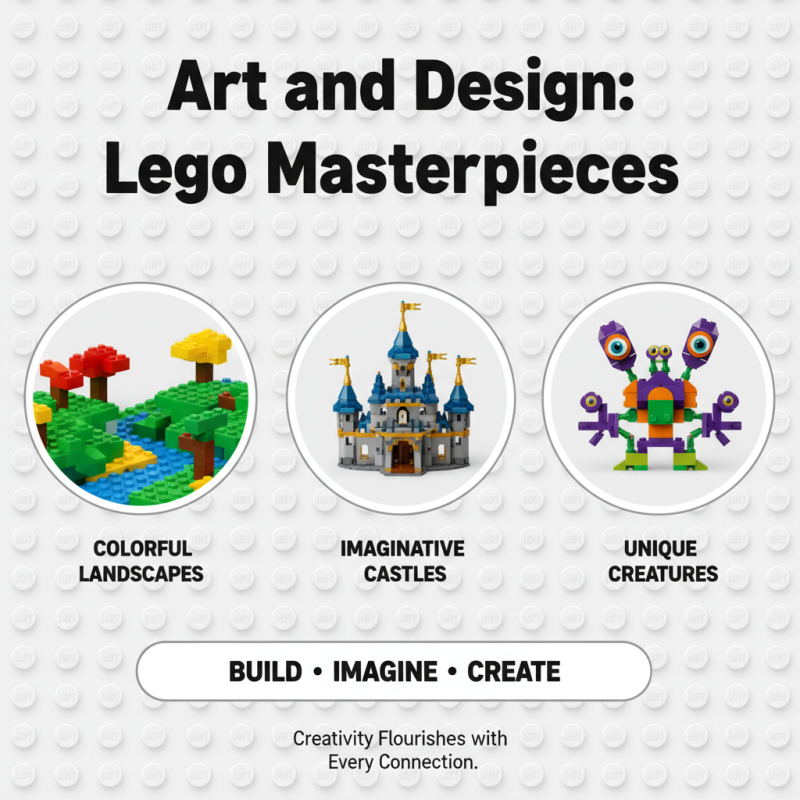
Art and Design: Exploring Creativity through Lego Masterpieces
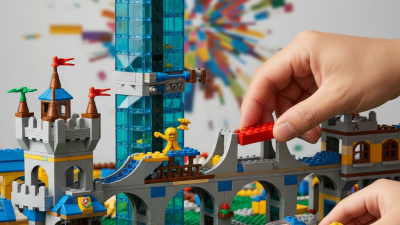
Art and design can thrive in unexpected places. Using building blocks, children and adults alike can explore their creativity. Imagine a colorful landscape crafted from tiny bricks. A castle emerges, or perhaps a unique creature that lives only in one's imagination. Each piece tells a story. Creativity flourishes with every connection made.
However, not every creation meets expectations. Some designs may collapse, leaving frustration in their wake. This is part of the process. Reflecting on what went wrong can ignite new ideas. The beauty of using building blocks lies in their flexibility. Mistakes can lead to innovative solutions. As one rebuilds, their artistic vision evolves.
Engaging with this medium encourages exploration. It invites experimentation with color and shape. Community spaces often host exhibitions showcasing these masterpieces, sparking interaction. Observers can learn from each other’s journeys. Unfinished masterpieces can inspire the next artist to take a risk. The journey of creation holds just as much value as the final piece.