Magic Blocks Magnetic Tips for Innovative Play and Learning?
In an era where innovative learning tools are key, "Magic Blocks Magnetic" stand out. These blocks combine creativity and education, engaging children in a unique way. Their colorful designs captivate young minds, sparking imagination.
Magic Blocks Magnetic offer endless possibilities for play. Children can build structures, explore shapes, and develop problem-solving skills. Parents and educators appreciate their versatility. They provide hands-on experiences that foster learning. Yet, some may overlook the potential challenges. Not every child may grasp the concepts immediately. Understanding each child's pace is crucial.
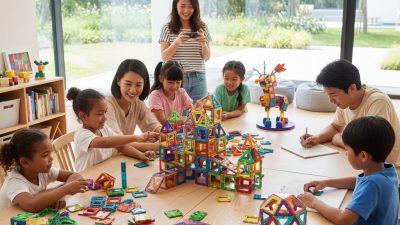
Furthermore, using these blocks encourages teamwork and social skills. Children learn to collaborate while constructing their creations. However, monitoring interactions is essential. Adults must guide to ensure positive experiences. In conclusion, the benefits of Magic Blocks Magnetic are evident, but reflection on individual learning styles is vital.
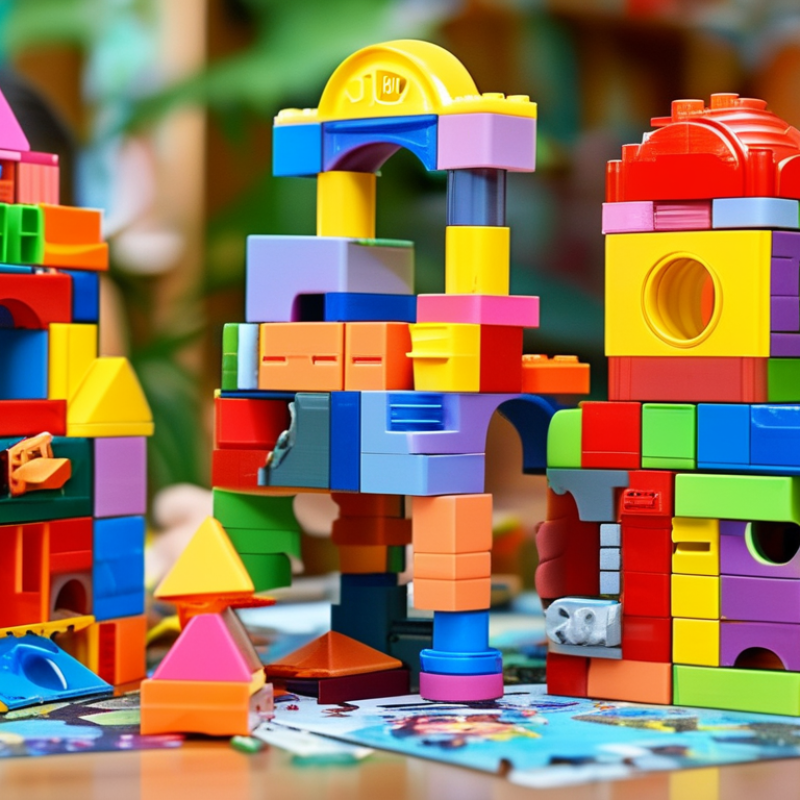
Magic Blocks Overview: Definition and Key Features of Magnetic Toys
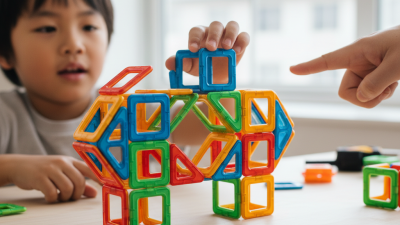
Magic Blocks offer a fascinating way to play and learn. These magnetic toys are designed to inspire creativity and foster problem-solving skills. Each block features strong magnets that attract and connect effortlessly, allowing children to build various structures. This magnetic property is key to their appeal. Children can explore geometry while improving fine motor skills.
The versatility of Magic Blocks encourages innovative thinking. Kids construct everything from simple towers to complex designs. This open-ended play invites experimentation. However, some may struggle with frustration when blocks don’t stick as expected. It’s a learning moment. Kids learn persistence and adaptability as they modify their designs.
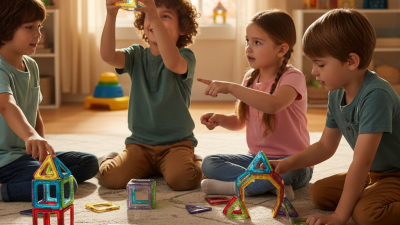
Parents and educators appreciate the benefits of these toys. Magic Blocks promote collaborative play and social interaction. Children learn to share ideas and work together. Yet, finding the right balance between guidance and independence can be challenging. Allowing space for trial and error is crucial. This way, children engage deeply, leading to meaningful play experiences.
Magic Blocks Magnetic Tips for Innovative Play and Learning
| Feature |
Description |
Benefits |
| Magnetic Interlocking |
Blocks easily snap together with strong magnetic force. |
Encourages creativity and spatial awareness. |
| Durable Material |
Made from high-quality, non-toxic plastic. |
Ensures safety and longevity for children’s play. |
| Variety of Shapes |
Includes squares, triangles, and rectangles to create complex structures. |
Promotes problem-solving and engineering skills. |
| Educational Value |
Designed to encourage STEM learning through play. |
Helps children develop critical thinking and analytical skills. |
| Age Appropriateness |
Suitable for children aged 3 years and above. |
Encourages early learning and cognitive development. |
The Impact of Magnetic Play on Child Development: Cognitive Benefits
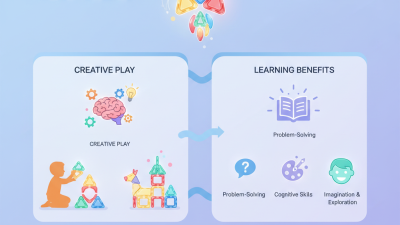
Magnetic play has emerged as a fascinating tool for child development. Children enjoy the tactile feedback and visual effects of magnetic blocks. They manipulate these colorful pieces, sparking creativity and imagination. This hands-on experience allows children to explore concepts like balance, gravity, and spatial relationships. Such engagement promotes cognitive growth in ways traditional toys might not.
As kids connect the blocks, they enhance critical thinking skills. Problem-solving comes into play when they face building challenges or design aspirations. This type of play often leads to trial and error, encouraging resilience. Children learn that not every attempt will succeed. They begin to understand that failure can lead to new strategies and innovative solutions.
Incorporating magnetic play into daily activities can be beneficial. It offers a unique blend of fun and education. Parents and educators should consider how these experiences shape young minds. Making space for experimental play can foster a love for learning. However, it's essential to note that not all children may respond to this type of play equally. Tailoring activities to individual interests may enhance their engagement.
Innovative Play Techniques Using Magic Blocks: Strategies and Activities
Magic blocks provide an engaging way for children to explore innovative play techniques. These magnetic blocks foster creativity while also enhancing cognitive skills. Children can build structures of various shapes and sizes. This hands-on play encourages problem-solving and spatial awareness. Using different colors and sizes allows kids to visualize concepts in engineering and design.
Activities with magic blocks can be unique. For instance, creating a bridge or tower can be challenging. Kids may struggle initially, but this is part of the learning process. They learn to ask questions, such as, "Will this hold?" or "What if I change this piece?" Encouraging teamwork helps children share their ideas and solutions. This collaboration can lead to imaginative play, sparking new concepts.
Reflection is key in this innovative play. After constructing their designs, children can discuss what worked and what didn’t. This analysis builds critical thinking. It’s important for kids to understand that not every attempt will be successful. Mistakes can lead to new discoveries and creative breakthroughs. Emphasizing this growth mindset nurtures resilience and curiosity in young learners.
Innovative Play Techniques Using Magic Blocks
Educational Applications: Integrating Magic Blocks into Learning Curricula
Magic blocks can transform the way children engage with learning. These innovative tools foster creativity while supporting various educational objectives. By integrating them into curricula, educators can enhance hands-on experiences. Students enjoy building structures and problem-solving in collaborative scenarios. This active engagement nurtures critical thinking skills.
Teachers can use magic blocks across subjects. In math, students visualize shapes and understand spatial concepts. In science, they explore basic engineering principles. Art classes can encourage students to design and create intricate models. However, teachers must guide students to reflect on their building processes. This reflection helps them understand the lessons behind their projects.
Implementing magic blocks is not without challenges. Some students might find it difficult to share their ideas. Others may become frustrated when their designs fail. Educators need strategies to foster patience and resilience. Creating a supportive environment where trial and error is welcomed can lead to deeper learning. This approach celebrates mistakes as part of the educational journey.
Market Trends: The Growth of Magnetic Toys in Educational Sectors
The market for magnetic toys has seen substantial growth in recent years, particularly within educational environments. A report by Research and Markets indicates that the global magnetic toys market is projected to expand at a CAGR (Compound Annual Growth Rate) of over 8% from 2021 to 2026. This reflects a rising interest in innovative learning tools that captivate young minds.
Magnetic blocks serve as a prime example of this trend. These blocks nurture creativity and spatial awareness. Children can build complex structures from simple components, fostering both imaginative play and cognitive skill development. According to a study by the Toy Association, 70% of educators endorse the use of magnetic toys in classrooms to enhance engagement. However, it's crucial to note that not all magnetic toys are created equal. Some may not meet safety standards, which raises concerns among parents and educators alike.
Many educators recognize the potential benefits, yet there remain challenges. Ensuring accessibility to high-quality magnetic toys is one. Budget constraints in schools may limit the range of resources available for teachers. This discrepancy can create inequalities in learning experiences. As the market grows, it's essential for stakeholders to address these concerns, ensuring that all children benefit from this innovative play method.