


Are Magnetic Building Toys Safe? Experts Weigh In on Material Risks
As magnetic construction toys grow in popularity among children, concerns about potential hazards—particularly harmful substances in materials—have sparked heated discussions among parents and regulators. Recent recalls of non-compliant magnetic toys globally have intensified scrutiny on product safety standards.
The primary risks associated with magnetic toys fall into two categories: physical hazards from loose magnets and chemical risks from materials like plastics or coatings. Small, powerful magnets pose a swallowing risk, but equally critical is ensuring that materials meet international safety benchmarks.
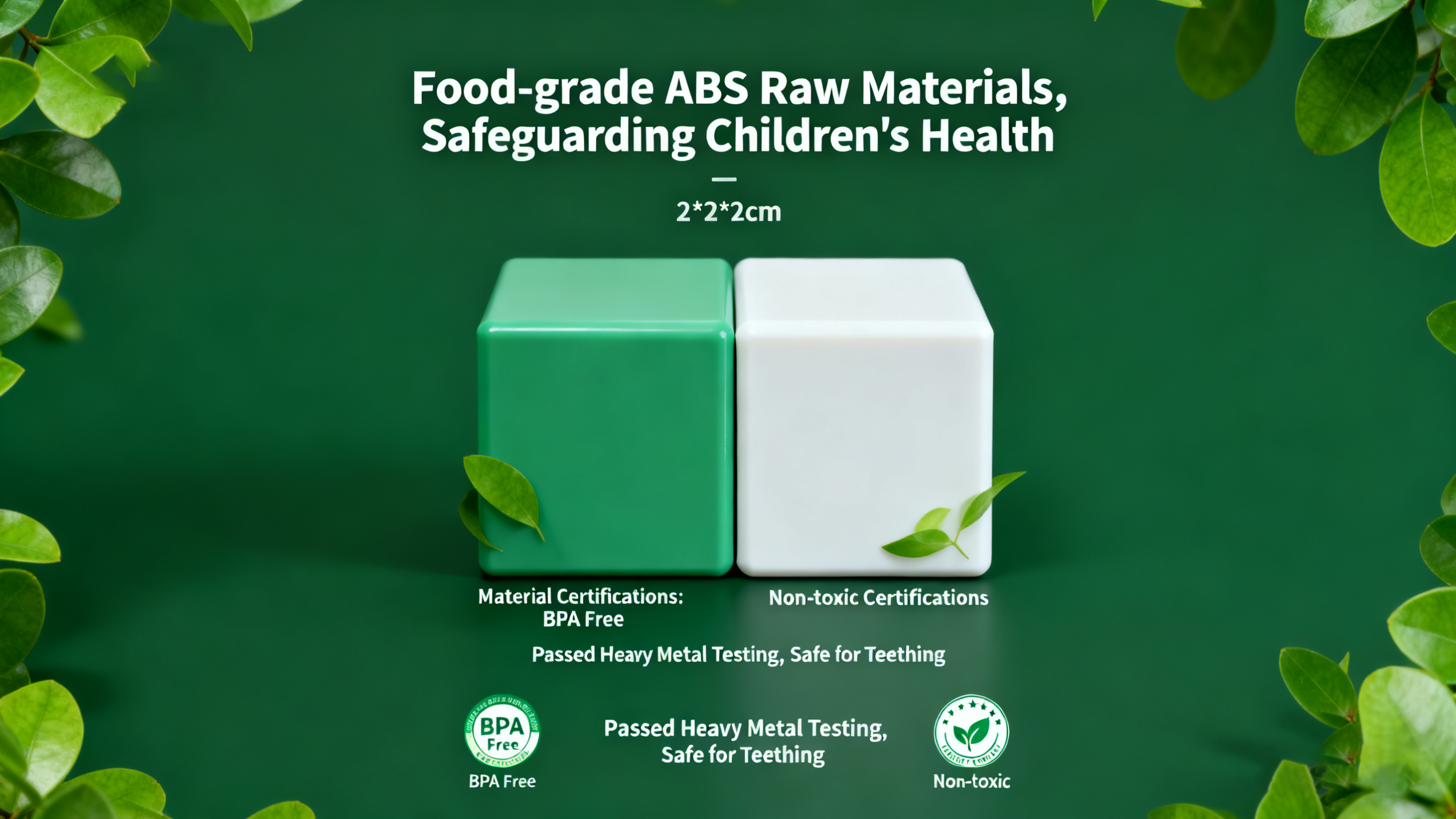
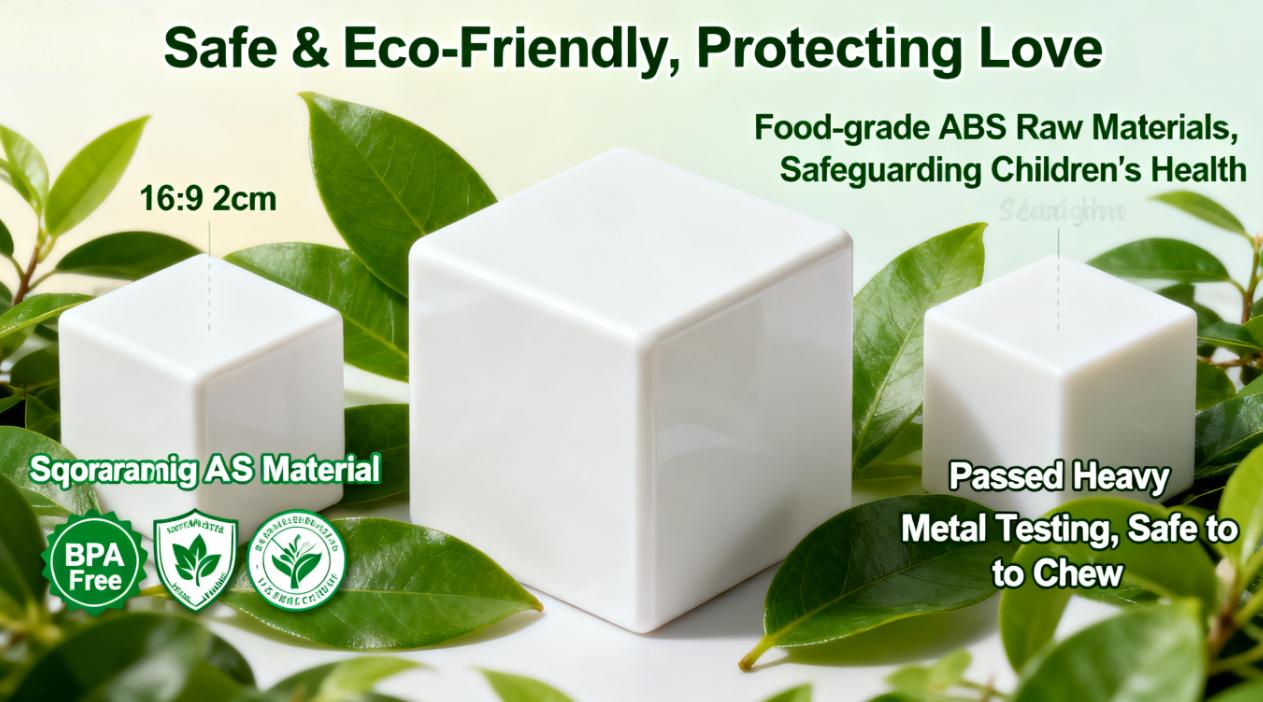
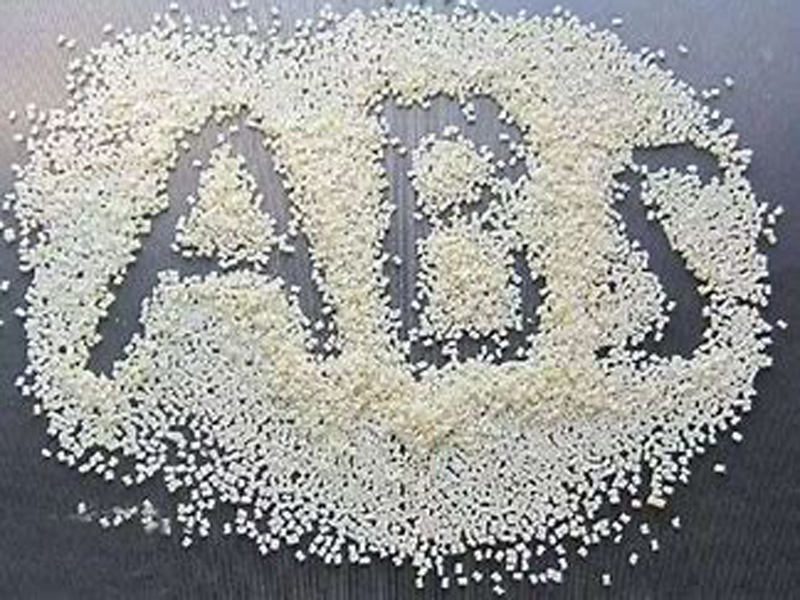
ABS plastic, a common material for premium magnetic blocks, has emerged as a focal point. When properly manufactured, ABS is non-toxic, BPA-free, and complies with strict toy safety regulations like ASTM F963 (U.S.) and EN 71 (EU). However, substandard ABS blends may contain traces of lead, phthalates, or formaldehyde—substances linked to developmental and respiratory issues.

Dr. Emily Carter, a materials scientist at the Toy Safety Institute, explains: "High-quality ABS undergoes rigorous leaching tests. Parents should verify that products carry certifications like CPC (Consumer Product Certificate) or CE marks, which confirm compliance with heavy metal limits and mechanical safety requirements."
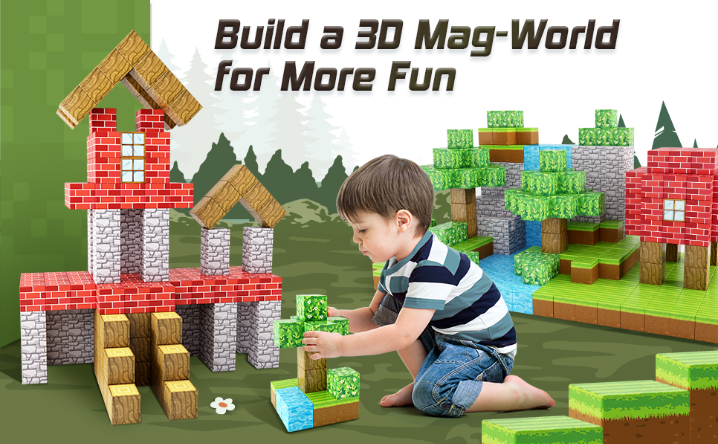
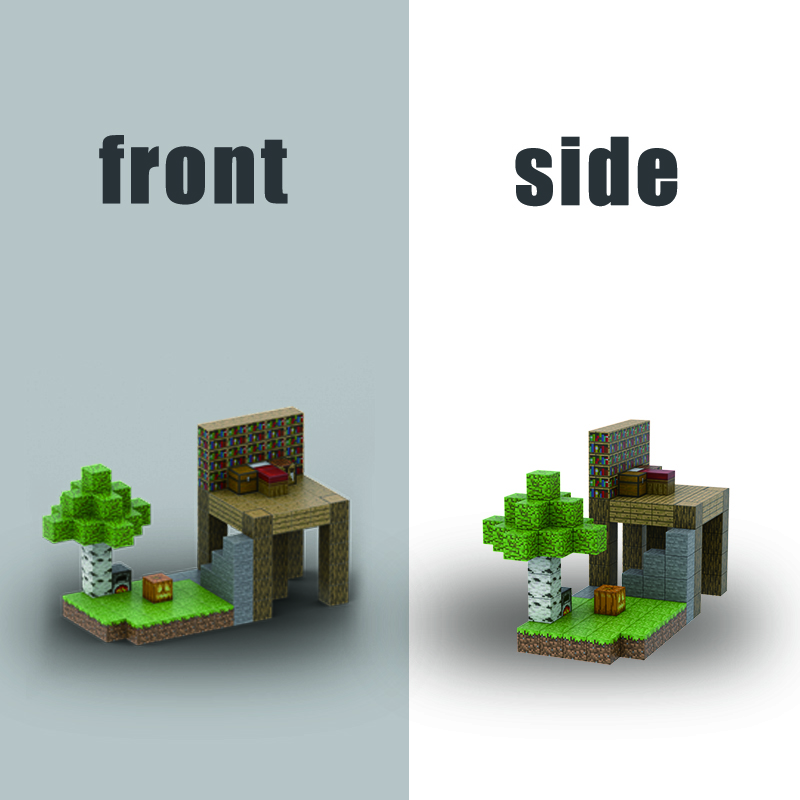
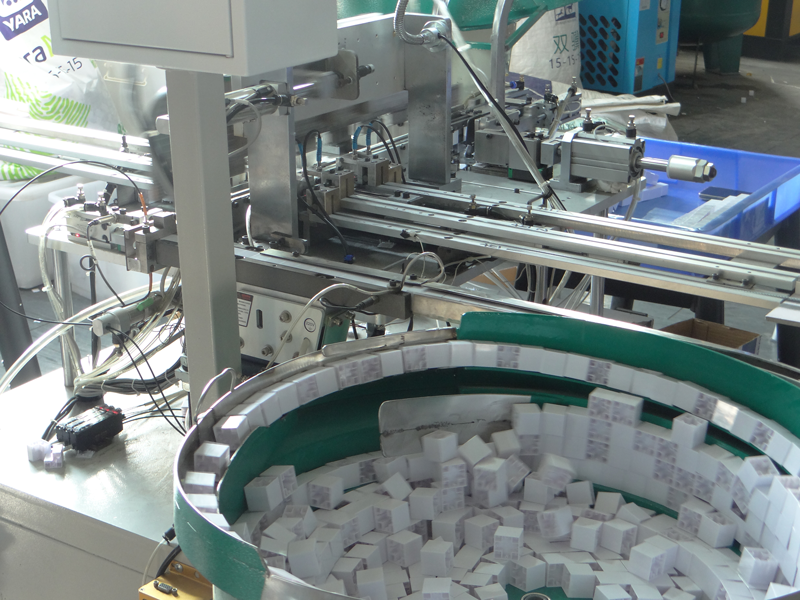
A case study involves Minecraft-themed magnetic cubes (2-2.5cm³) made from certified ABS. Independent lab reports reviewed by Toy Safety Monthly show these products contain <5ppm lead (well below the 90ppm U.S. limit) and zero detectable phthalates. The larger block size also reduces choking risks compared to sub-1.5cm variants.
While safe materials mitigate chemical risks, experts advise:
1.Purchase from brands disclosing full lab test reports
2.Avoid unusually cheap magnetic toys
3.Discard items with cracks exposing internal magnets
As the $4.2B magnetic toy market expands, transparency about materials—not just magnetic strength—will remain vital to consumer trust. Regulatory bodies are now pushing for standardized labeling of polymer blends and adhesives used in such products.
Parents seeking detailed safety data for specific toys can consult the Consumer Product Safety Commission database or request documentation directly from manufacturers.