2026 Best Light Up Magnetic Blocks for Wholesale Buyers
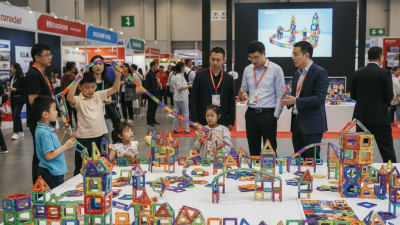
In 2026, Light Up Magnetic Blocks are becoming a practical category for wholesale buyers, not merely a colorful novelty. They combine magnetic construction, soft illumination, and open-ended play. On a showroom table, transparent tiles glow blue, green, and amber as children build towers, bridges, and small geometric scenes. That visual effect can support stronger shelf appeal and online demonstrations.
Dr. Amanda Gummer, a respected child-development and toy specialist, says, “The best toys invite children to think, explore, and create.” Her observation matters here. Light Up Magnetic Blocks should offer more than bright LEDs. Buyers need to examine magnetic strength, edge finishing, battery access, connection stability, and the quality of transparent plastic. A block that looks impressive for ten seconds may disappoint after repeated assembly.
Wholesale decisions also require evidence. Request product samples. Test several connection points. Check whether the lights remain consistent after extended use. Review age guidance, material documentation, packaging instructions, and applicable market requirements before placing a large order. Supplier communication matters too. Slow replies can become costly during seasonal production.
Some products still look better in catalog photographs than in real classrooms. That is worth admitting. Light output may seem weaker under daylight. Small design flaws can appear after rough handling. Even attractive packaging cannot repair unreliable magnets. This guide will compare leading 2026 options through performance, durability, safety-conscious design, pricing potential, and retailer practicality. The strongest choice may not be the brightest set. It may be the one children rebuild tomorrow.

What Are Light Up Magnetic Blocks and How Do They Work?
Light up magnetic blocks are construction pieces with magnets sealed inside their edges and small LED components inside the plastic body. Children connect the pieces to form houses, towers, animals, or abstract shapes. The magnets hold the structure together, while the lighting system adds color and visibility during play.
Most designs use a compact battery compartment, an internal circuit, and a simple switch or pressure mechanism. When the circuit closes, electricity reaches the LEDs. Some pieces illuminate after movement, while others activate when connected to special bases. The exact system differs, so wholesale buyers should request product diagrams and working samples. Do not rely on attractive photographs alone.
A useful inspection starts with the magnetic connection. Pieces should join smoothly but remain stable during ordinary handling. Check whether magnets stay fully enclosed after repeated drops and twisting tests. Examine battery access, screw quality, sharp edges, plastic odor, and cleaning instructions. Age labels and laboratory safety documentation also deserve careful review.
The glow is not always dramatic. Bright packaging can hide weak illumination. That matters in retail displays and customer expectations. I would test samples in a dim room, then inspect them after several hours of use. Battery replacement may be inconvenient, too. A lower unit price can become expensive when returns, damaged packaging, or inconsistent lighting appear. Buyers should compare magnet strength, LED performance, material quality, documentation, and carton protection before placing larger orders.
Key Features to Compare When Choosing Light Up Magnetic Blocks
For wholesale buyers, light output is only one comparison point. Check whether every block produces similar brightness, color, and activation response. A few seconds of testing can reveal weak contacts. The Toy Association’s 2024 industry insights identified STEM and construction play as continuing purchase drivers, but buyers should not confuse educational appeal with verified performance. Request sample units from different production batches.
Magnet quality deserves closer inspection. Compare connection strength, separation force, and alignment after repeated assembly. Stronger is not always better for younger users. The U.S. Consumer Product Safety Commission recorded 231 toy recalls from 2010 to 2023 involving magnet-related hazards, according to its safety data summaries. Ask for documented magnet containment tests, age grading, and applicable ASTM F963 or EN 71 test reports. Do not rely on a printed compliance logo alone.
Lighting systems also affect total cost. Compare battery type, replaceability, switch durability, heat generation, and estimated operating time. A reported 2024 Circana review showed global toy sales remained pressured by cautious household spending, making predictable landed costs more important for distributors. Check drop-test results, plastic thickness, connector wear, carton protection, and spare-part policies. Packaging matters. I would also measure defect rates across at least 100 pieces, not only one attractive sample. That step is slower, but it may expose inconsistent magnets, loose covers, or uneven LEDs before a large order is approved.
Best Light Up Magnetic Block Types for Wholesale Buyers in 2026
For wholesale buyers in 2026, light up magnetic blocks should be selected by construction type, not brightness alone. The most useful category is the LED-core cube, with embedded lights and magnetic faces. These cubes build towers, tunnels, and simple vehicles with fewer loose parts. Transparent panels create glowing walls and roofs. They suit classrooms, museum shops, and family retailers seeking strong shelf appeal. Keep the colors balanced. Too many colors can weaken a display.
Glow tiles and flat light panels serve a different wholesale market. They work well for mosaics, tracing activities, and table-based play. Their broad surfaces distribute light more evenly than small cubes. Buyers should check magnet retention, edge strength, battery access, and charging design during sample testing. I recommend dropping assembled models from a low table and repeating the test. It reveals weak connections quickly. Still, one test is not enough. Production batches can vary.
For larger orders, compare sets by usable pieces, not printed piece count. Include spare connectors, storage trays, and clear instructions. Verify age grading, warnings, material declarations, and applicable toy-safety requirements for each target market. Avoid exposed magnets and poorly secured battery compartments. I once preferred a brighter sample, but its short battery life hurt retailer feedback. That mistake still matters. Ask for cycle testing, inspection records, and packaging photos before payment. A modest light with reliable assembly often earns better repeat orders.
2026 Best Light Up Magnetic Blocks for Wholesale Buyers
Typical piece-count benchmarks by light-up magnetic block type for wholesale assortment planning.
Larger sets generally provide more construction variety and stronger shelf appeal, while compact sets are easier to price for entry-level buyers. Wholesalers can combine core tile sets with rod-and-ball or panel sets to cover different customer budgets and play styles.
Safety, Quality, and Certification Standards for Bulk Purchases
For 2026 bulk programs, light-up magnetic blocks should be evaluated as children’s products, not simple promotional items. Each set needs secure magnets, durable plastic, and a light module that survives repeated assembly. Loose magnets are dangerous. Check pull-force testing, ultrasonic welds, and drop-test records before approving samples. Inspect battery compartments for screws or double-locking covers. Coin-cell access deserves extra attention. Small defects become costly claims in a container shipment.
Ask the supplier for current, batch-linked reports from an accredited laboratory. Depending on the destination, documents may include ASTM F963, CPSIA, EN 71, REACH, RoHS, or IEC 62115 testing. These requirements are not interchangeable. A plastic safety report does not prove magnetic retention or electrical safety. Verify the report’s product photos, model number, tested materials, and laboratory scope. Request migration, flammability, heavy-metal, and battery-compartment results where applicable. Keep a sealed reference sample. Keep records.
Quality control should continue after the first order. Use pre-shipment sampling, random carton checks, and a written defect limit. Test brightness, switch response, magnet placement, and edge smoothness. Ask how rejected units are isolated and recorded. I would not rely on a logo-shaped certificate alone. That shortcut feels efficient, but it may hide outdated testing or changed components. Even careful purchasing has blind spots. Recheck compliance when the battery, plastic formula, supplier, or factory changes.