2026 Top Trends in Lego Building Blocks for Global Buyers?
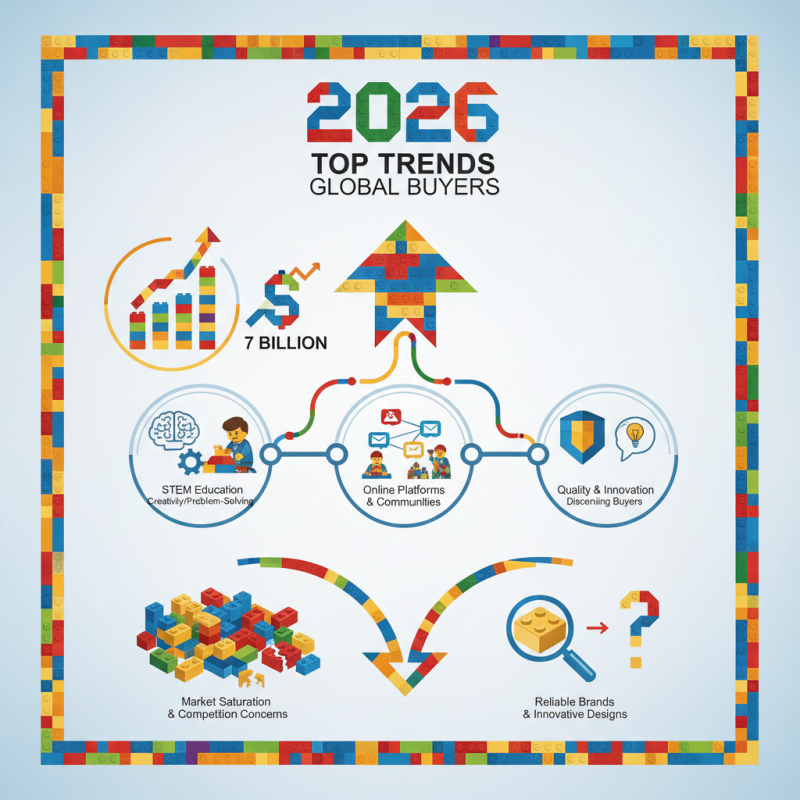
The Lego building blocks market is projected to reach an impressive $7 billion by 2026, according to recent industry reports. This growth comes from increasing global interest and innovation in construction toys. A significant factor is the rise in STEM education, which promotes creativity and problem-solving skills among children. Lego building blocks serve as a perfect tool for fostering these abilities.
Moreover, the surge of online platforms and community groups has created a vibrant space for Lego enthusiasts. These platforms allow buyers to share ideas, designs, and experiences. Interestingly, a survey revealed that 64% of parents believe that Lego building blocks significantly enhance their child's creativity.
However, challenges remain. The saturation of the market has led to more competition. Not all products maintain high quality; some may lack durability. Buyers are becoming more discerning, seeking reliable brands and innovative designs. As 2026 approaches, it is crucial to stay informed about emerging trends in Lego building blocks to navigate this dynamic market effectively.
Emerging Design Aesthetics in Lego Construction for 2026
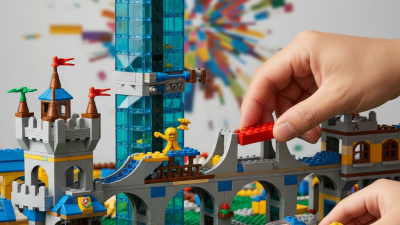
As we look toward 2026, the aesthetics of Lego construction are evolving. Builders now seek more than just functionality. They desire artistry in their designs. This shift is evident in the emergence of softer shapes and organic forms. These approaches contrast sharply with previous angular designs.
Colors play a significant role in this transformation. Expect pastel palettes and earthy tones to dominate the scene. These shades often evoke emotion and connect builders to nature. The trend embraces inclusivity, welcoming diverse themes and representations. It challenges traditional building norms, encouraging creativity and personal expression.
Yet, this aesthetic shift poses questions. How far can one push the boundaries of construction? Is it possible to balance artistic expression with structural integrity? These are considerations that will shape future Lego projects. Builders must navigate the delicate line between beauty and functionality.
Innovative Building Techniques Transforming Lego Play
The world of Lego is evolving rapidly, with innovative building techniques reshaping how enthusiasts engage with these iconic blocks. One emerging trend is the integration of modular design concepts. This allows builders to create intricate structures piece by piece, experimenting with different configurations that enhance creativity. Breakable designs are gaining popularity, letting users deconstruct and reconstruct their models. This method not only fosters imagination but also teaches problem-solving skills.
Another key development is the rise of 3D printing in Lego customization. This technology allows builders to create unique pieces tailored to their visions. While 3D printing offers endless possibilities, it raises questions about the balance between originality and pre-designed kits. Many users find themselves torn between creating something entirely new or adhering to established instructions.
Lastly, the community's emphasis on collaboration has never been stronger. Online platforms are buzzing with builders sharing techniques and ideas. However, some feel overwhelmed by the sheer volume of information. Not every collaboration leads to success, and it’s common to encounter setbacks. Sharing failures is as valuable as celebrating successes. This culture of teamwork and sharing empowers Lego enthusiasts and drives innovation forward.
Sustainability Trends in Lego Materials and Production
Sustainability is becoming a focal point in the Lego building block industry. Many global buyers now seek eco-friendly products. As awareness of climate issues grows, consumers prioritize sustainable materials. The use of renewable resources is key. Companies are exploring alternatives to traditional plastic. This shift is essential for attracting environmentally-conscious customers.
Innovations in production processes aim to reduce waste. Many manufacturers are adopting circular economy principles. These principles focus on recycling and reusing materials. However, challenges remain. Some materials do not meet performance standards. Ensuring quality while being eco-friendly is complex. The industry must strike a balance to meet diverse consumer needs.
Transparency in sourcing and production is critical. Buyers want to know where materials come from. Ethical practices can boost brand reputation and trust. Yet, skepticism persists among consumers. They question how deep companies go in their sustainability efforts. Building genuine relationships through communication is vital. This is a journey, not a destination. Trust will develop over time with consistent actions.
Global Collaborations and Cultural Influences on Lego Themes
As we approach 2026, the world of Lego building blocks is influenced by various cultural trends. Global collaborations are reshaping how these blocks are perceived and used. Designers are increasingly blending local cultures into their concepts. This enriches the building experience, making it unique and diverse. For instance, themes inspired by traditional festivals can spark creativity while educating builders about different customs.
Moreover, cultural influences play a critical role in theme development. Some designs reflect popular global narratives, capturing interest worldwide. Yet, incorporating cultural elements comes with challenges. Misrepresentation can lead to backlash. Designers must tread carefully, ensuring authenticity and respect for the cultures they represent. This balance is essential for successful collaborations that resonate with audiences.
The synthesis of ideas from around the globe fosters an innovative spirit. However, there are hurdles in maintaining quality and relevance. It's a journey of growth and learning for many creators. The Lego community continues to evolve with these trends, embracing imperfections while striving for better representation and inclusivity.
Technological Integration Enhancing the Lego Building Experience
Technological integration is revolutionizing the Lego building experience. With advancements in augmented reality (AR) and artificial intelligence (AI), builders can now engage in immersive play. Industry reports show that the global AR market is expected to grow by over 40% by 2026, highlighting the potential for these technologies within creative play.
Smart Lego sets powered by AI offer personalized experiences. Builders receive tailored challenges based on their skill levels. A recent study indicated that 78% of users prefer interactive features that adapt to their abilities. This provides not just entertainment but also encourages learning through play. Feedback mechanisms enhance user engagement, allowing builders to reflect on their creations.
However, embracing such technology can pose challenges. Some individuals may feel overwhelmed by new features. There’s also the risk of overshadowing the traditional building experience. An effective balance between classic play and modern tech is crucial for a satisfying experience. As we move forward, continuous innovation will need careful consideration of user preferences and learning methodologies.
2026 Top Trends in Lego Building Blocks for Global Buyers
| Trend |
Description |
Impact |
Technological Focus |
| Augmented Reality Integration |
Utilization of AR to enhance building experience and offer interactive instructions. |
Increases engagement and allows for creative exploration. |
Mobile Apps, AR Glasses |
| Sustainable Materials |
Focus on using recycled and eco-friendly materials in blocks. |
Addresses environmental concerns, appealing to eco-conscious consumers. |
Biodegradable Plastics |
| Smart Building Blocks |
Blocks equipped with sensors and connectivity features. |
Enhances the building experience with real-time feedback and connectivity. |
IoT, Bluetooth Technology |
| AI-Driven Customization |
Using AI to suggest personalized building designs based on user preferences. |
Personalizes the building experience, increasing user satisfaction. |
Machine Learning Algorithms |
| Digital Building Platforms |
Online platforms to share, collaborate on, and showcase building projects. |
Encourages community engagement and idea sharing. |
Cloud Services, Collaboration Tools |