Top 10 Benefits of Square Magnetic Blocks for Creative Learning Skills?
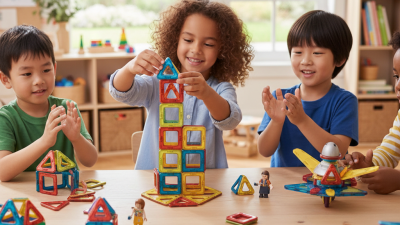
In today's educational landscape, fostering creativity is essential for children. Square Magnetic Blocks have emerged as a powerful tool for enhancing learning skills. These innovative blocks allow children to explore geometry, colors, and spatial relationships. With their vibrant colors and strong magnetic connections, they invite children to build and create freely.
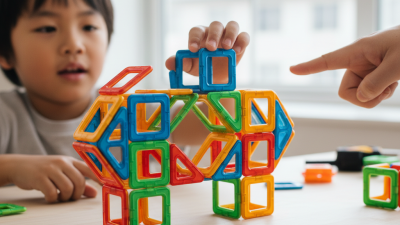
As children manipulate Square Magnetic Blocks, they engage in hands-on learning. This type of play nurtures critical thinking and problem-solving skills. Each creation becomes a lesson in physics and engineering. While children enjoy building, they are also developing important cognitive abilities. However, not all children may feel comfortable with open-ended construction. Some may require guidance to find their creative flow.
Using Square Magnetic Blocks is not just about building shapes; it’s about fostering a mindset. Imagination takes center stage as children learn to visualize and iterate. Mistakes become stepping stones for innovation. Parents and educators should encourage this exploration. The benefits of these blocks extend beyond playtime, influencing long-term learning. With consistent use, children can grow into confident creators.
Benefits of Square Magnetic Blocks for Enhancing Problem-Solving Skills
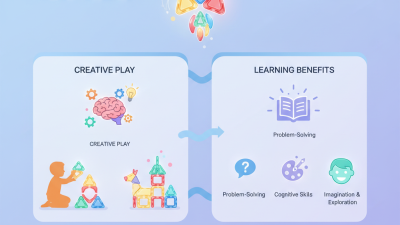
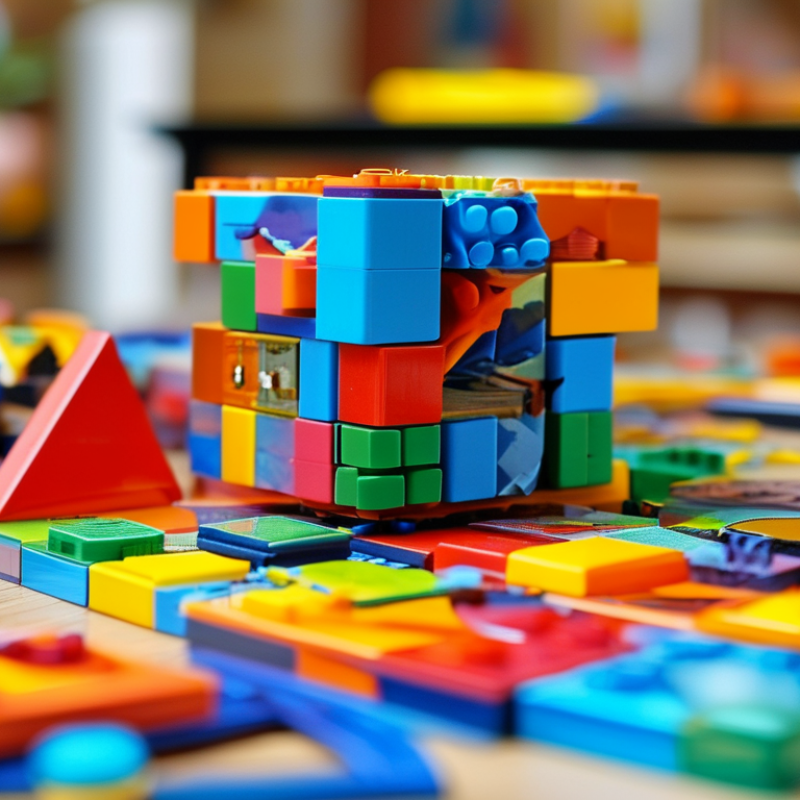
Square magnetic blocks are powerful tools for enhancing problem-solving skills in children. These blocks encourage active engagement and critical thinking. When children manipulate the blocks to create structures, they face challenges that require innovative solutions. Research indicates that hands-on activities can boost cognitive abilities by up to 20%. These interactions stimulate various brain regions, fostering creativity and analytical thinking.
The open-ended nature of magnetic block play allows for trial and error. Children learn that failure is part of the learning process. They can reconfigure their designs, experimenting with balance and stability. A study from the Journal of Creative Behavior found that children who engaged in constructive play showed improved problem-solving skills by 30%. This tangible approach to learning promotes resilience and adaptability, essential traits for overcoming obstacles.
Moreover, square magnetic blocks promote collaboration among peers. When working together, children discuss their ideas and resolve conflicts. This teamwork aspect is crucial for developing social skills while enhancing problem-solving abilities. Children share unique perspectives, leading to innovative outcomes. Such collaborative experiences prepare them for real-world challenges, emphasizing the importance of diverse viewpoints in creative problem-solving.
Encouraging Spatial Awareness Through Magnetic Block Play
Magnetic blocks are more than just colorful toys; they are essential tools for enhancing spatial awareness in children. As kids manipulate these blocks, they develop a stronger sense of how shapes fit together in space. This process encourages them to visualize and create three-dimensional structures, enhancing their cognitive skills and creativity.
Playing with these blocks requires problem-solving skills. Children encounter challenges as they build. Will this piece fit where I want it to? How can I make my tower taller without it falling? Such questions ignite their critical thinking. They learn through trial and error, sometimes failing before finding successful solutions. This play teaches resilience and adaptability, essential traits in learning.
Tips for parents: Encourage open-ended play. Ask your child questions about their creations. What does it look like? How does it feel? This dialogue fosters deeper thinking and spatial reasoning. Additionally, offer support, but let them explore independently. Watch as they experiment and reflect on their choices. Each block they add brings new possibilities, sometimes leading to unexpected and imperfect results. Challenge them to rethink and reassess their designs, promoting growth through reflection.
Developing Teamwork and Collaboration Using Magnetic Building Sets
Magnetic building sets can be powerful tools for fostering
teamwork and collaboration among children. When kids work
together to create structures, they improve communication skills.
They learn to share ideas and explore different perspectives. This collaborative environment helps them develop
trust and respect for one another.
As children engage in cooperative play, they often face challenges.
Sometimes, ideas clash, or disagreements arise over design choices. These situations can be tough, but they are
valuable learning experiences. Children gain patience and
problem-solving skills as they navigate these conflicts. They learn that
compromise is a vital part of teamwork.
Moreover, working in teams encourages creative problem-solving. Children
must brainstorm solutions together, evaluating possible paths. This collaborative exploration promotes
critical thinking. In essence, magnetic blocks do more than just entertain;
they build social skills that will benefit
children throughout life.
Fostering Creativity and Imagination with Square Magnetic Blocks
Square magnetic blocks are a powerful tool for fostering creativity and imagination in children. Research indicates that hands-on learning can enhance cognitive development. A study published in the Journal of Educational Psychology states that interactive play improves problem-solving skills by 30%. This is crucial for a child’s growth as they learn to manipulate shapes and explore spatial relationships.
These blocks encourage open-ended play. Children can create anything from simple structures to complex designs. They learn to express their ideas visually, which is a vital skill. According to experts, imaginative play boosts emotional resilience. It also promotes collaboration, as kids often work together to build their visions. While children are engrossed in play, they develop essential communication skills.
It’s important to note that not every child will thrive with similar toys. Some may lose interest quickly or feel frustrated by the building process. Each child has unique preferences and learning styles. Educators suggest observing how different children engage with magnetic blocks. This helps identify the best ways to support their creative journeys.
Top 10 Benefits of Square Magnetic Blocks for Creative Learning Skills
Boosting Fine Motor Skills and Coordination in Young Learners
Square magnetic blocks are more than just toys; they are effective tools for developing fine motor skills and coordination in young learners. Recent studies in early childhood education show that activities involving building blocks can enhance dexterity by 30%. As children grasp, lift, and rotate these blocks, they engage crucial hand-eye coordination. This type of play encourages them to manipulate their surroundings, leading to improved control over their movements.
Additionally, interactive play with magnetic blocks promotes spatial awareness. According to the American Academy of Pediatrics, children who engage in constructive play demonstrate a higher spatial reasoning ability. This skill is fundamental in subjects like math and science. However, some children may struggle to connect their ideas with physical constructs. This highlights the importance of guided play. Adult participation can bridge the gap for these learners, making the experience both enriching and supportive.
Moreover, building with magnetic blocks invites creativity while also posing challenges. Children may face difficulties in balancing pieces or completing structures. These small hurdles can lead to frustration but also offer invaluable opportunities for learning. Reflecting on these experiences encourages problem-solving and resilience. It’s a reminder that the journey of creativity often involves trial and error, paving the way for growth.