Why Choose Pixel Art Bricks for Your Next Project?
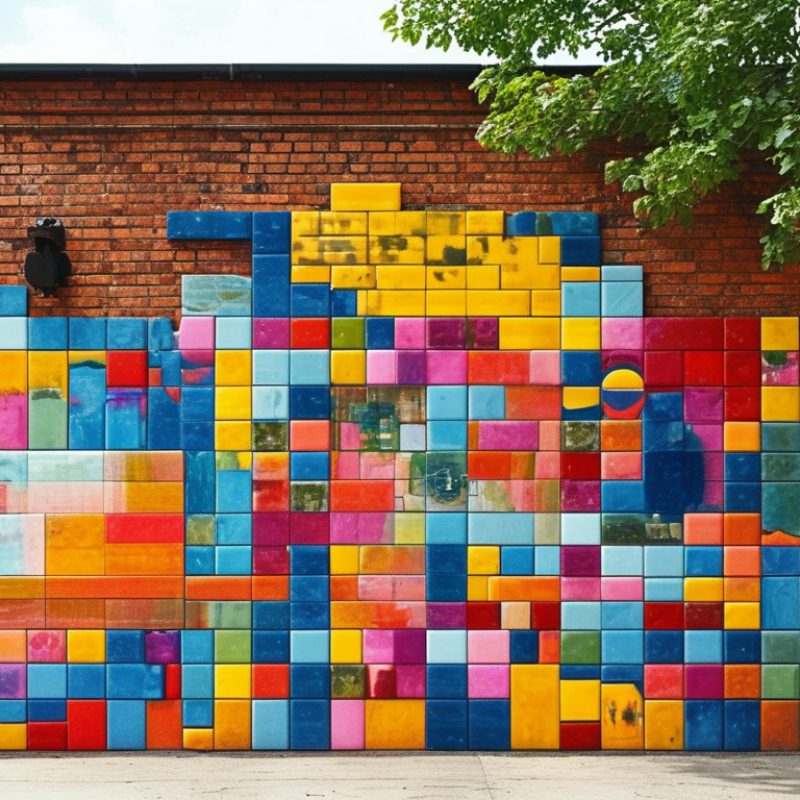
When embarking on a new project, selecting the right materials can make all the difference. One option that stands out is Pixel Art Bricks. These unique elements combine nostalgia with modern creativity. They bring vibrant colors and distinctive styles to any design.
Using Pixel Art Bricks not only enhances visual appeal but also encourages innovation. As artists and creators, we often seek originality. With Pixel Art Bricks, we can experiment and push boundaries. You'll find that these bricks can evoke emotions and memories, fostering deeper connections with the audience. However, it’s crucial to consider how to use them wisely.
While the allure of Pixel Art Bricks is undeniable, their effectiveness lies in thoughtful application. Choosing the right project and context is vital. Don't underestimate the importance of balance and clarity. With careful consideration, the possibilities are limitless.
Benefits of Using Pixel Art Bricks in Digital Game Design
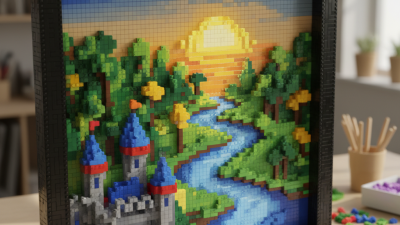
Pixel art bricks have gained popularity in digital game design. These small, blocky graphics create a unique aesthetic that resonates with players. They evoke nostalgia for classic games while offering new possibilities for creativity. Using pixel art bricks allows designers to experiment with various colors and shapes. The simplicity in design can lead to complex gameplay mechanics, which is an appealing combination.
One of the key benefits of pixel art is its accessibility. Developers can often produce visuals without the need for advanced tools or software. This opens doors for indie game creators who may have limited resources. However, there can be challenges. Creating detailed worlds within pixel constraints can be difficult. Balancing detail and simplicity is a skill that requires practice.
Additionally, pixel art engages players emotionally. Its retro style invites players to immerse themselves in the game world. This design choice can enhance storytelling through visuals. Yet, relying too heavily on nostalgia can risk alienating newer players. It’s important for developers to find a balance between old and new elements. Incorporating modern storytelling techniques could provide fresh experiences while maintaining pixel art's charm.
Impact of Pixel Art on User Engagement and Retention Rates
Pixel art captures a unique audience. Its charm lies in
nostalgia and simplicity. Users relate to pixel art, evoking feelings
from classic games. This familiarity can significantly impact user engagement. When users recognize a style,
they feel more comfortable and drawn in.
Incorporating pixel art can boost retention rates. Players often stay longer
when visuals resonate with them. Engaging interfaces keep users motivated. A well-designed pixel layout compels them
to explore more. Yet, finding a balance in complexity is key. Too
much detail can overwhelm, while too little can bore.
Tips for using pixel art effectively: Focus on storytelling through visuals.
Ensure characters and environments convey emotions. Use color wisely; bright
colors can attract positive responses. Remember to test your designs with real users. Feedback is essential for
improving engagement. Each project may reveal unexpected reactions, so remain adaptable.
Comparative Analysis: Pixel Art Bricks vs. Other Art Styles in Gaming
Pixel art bricks bring a unique charm to game design, standing out against other art styles. While hyper-realistic graphics dominate current trends, data from the International Game Developers Association shows 56% of indie developers favor pixel art for its nostalgic appeal. This art style allows for a retro look that many players find endearing. It often requires fewer resources and can be easier to produce, making it popular among smaller teams.
When comparing pixel art bricks to 3D models, pixel art often offers a distinct atmosphere. A study by Newzoo revealed that simpler graphics can enhance gameplay. This is especially true in genres like platformers and roguelikes, where mechanics overshadow realism. However, teams must be cautious about over-simplification, as excessive minimalism can lead to visual monotony.
Tips: Balancing detail with simplicity is crucial. Small details can add depth without overwhelming the player. Use color wisely; a palette that resonates with the theme can elevate the experience. Remember to test early concepts with audiences. Sometimes, what seems appealing in design could confuse players in practice. Always seek feedback; it can illuminate unseen aspects of your project.
Cost-Effectiveness of Pixel Art Bricks in Development Projects
Pixel art bricks are becoming increasingly popular in development projects. Their unique aesthetic captures the essence of nostalgia while being budget-friendly. Cost-effectiveness is one of their biggest advantages. By using pixel art bricks, developers can save on both time and resources compared to more complex art styles. This allows teams to focus on gameplay and functionality rather than getting bogged down in tedious art production.
Tips: Consider the target audience. Pixel art appeals to those who appreciate retro gaming. Balance visuals with performance to ensure the game runs smoothly.
These bricks are versatile. They can be easily adapted for various themes. However, keep in mind that simplicity can also limit creativity. Reflect on whether pixel art meets your project's vision. This art style may not suit every narrative but can enhance storytelling when done right. Developers should weigh the benefits against potential creative constraints.
Trends in Pixel Art as a Designer's Tool for Modern Projects
Pixel art has regained popularity among designers seeking a nostalgic yet modern touch. Using pixel art bricks allows creators to infuse projects with a charming aesthetic. This style can evoke emotions, pulling audiences into a visual narrative. It's reliable for adding character to various platforms, from games to websites.
Trends show that minimalism in design often merges with pixel art elements. Designers appreciate its versatility. You can create vibrant scenes or simple icons. Yet, it requires careful thought. Too much detail may distract rather than enhance. Designers must reflect on their message and audience when incorporating pixel art styles.
Incorporating pixel art bricks can lead to unforeseen challenges. For instance, resolution limitations may impact the final output. Balancing detail with simplicity can be tricky. Designers should not shy away from experimentation. By engaging in a process of trial and error, the best designs often emerge, embracing the imperfections of pixel art.