Inquiry
Form loading...

How to Choose the Best Magnetic Tiles Supplier in China?

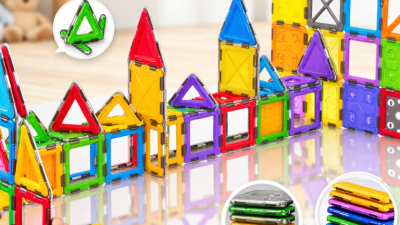
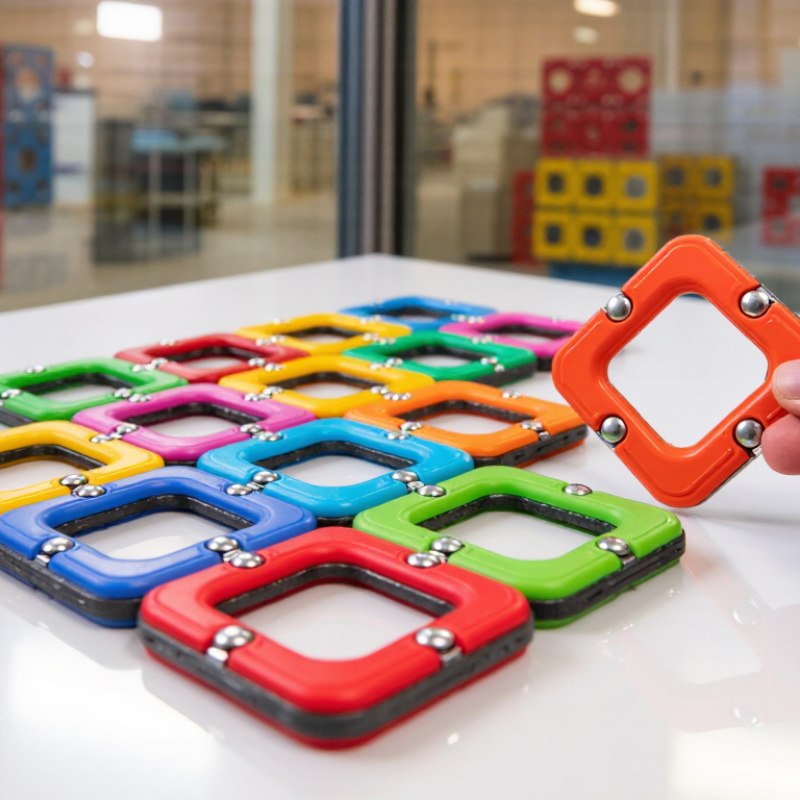
Choosing a magnetic tiles supplier in China is not just a price comparison. It is a check of product quality, factory capability, communication, and consistency. A polished sample can look convincing on a desk. The real test is whether the next production run matches it. Small details matter: edges should feel smooth, magnets should stay securely enclosed, and panels should connect with a steady click. Not every supplier handles these details equally well.

For this guide, fictional sourcing adviser Lin Wei offers an illustrative maxim: “A reliable supplier proves consistency, not just a good sample.” This is an editorial line, not a verified quotation from a real industry expert. Use it as a reminder to request samples, clear material information, relevant test documentation, and specific production answers. Ask how the factory checks magnet placement and finished-product quality. Confirm lead times, minimum order quantities, packaging options, and how defects are handled. Compare suppliers against the same criteria. That makes the conversation more useful than asking for the lowest quote alone.

Tiles Magnetic products can appear similar in photographs, yet differ in fit, finish, and durability. Inspect the pieces yourself, and record what you notice. A slightly uneven connection may seem minor at first. It may still deserve a closer look. Supplier selection is rarely perfect on the first attempt; leave room to question assumptions and verify claims before placing an order.
How to Choose the Best Magnetic Tiles Supplier in China?

Define Your Product Requirements and Target Market

Define Your Product Requirements and Target Market

A supplier cannot quote accurately from “magnetic tiles” alone. Specify tile dimensions, shapes, magnet placement, plastic type, set size, packaging, and expected age range. For younger children, consider larger pieces and clear age grading; for classrooms, prioritize durable edges, easy-to-count pieces, and storage that survives daily use. Small details matter.

Grand View Research estimated the global educational toys market at USD 62.3 billion in 2023, with projected growth through 2030. This broad category is not a magnetic-tile forecast, but it signals demand for products with learning value.

Then define where and how you will sell. A gift-store set may need bright packaging and a compact footprint; a school order may need bulk packs and replacement-piece options. Circana reported that toy sales across 12 major global markets fell 7% in 2023, a reminder that demand can shift. Avoid ordering a large run based only on optimistic forecasts.

Ask suppliers for material specifications, magnet-strength details, sample units, production tolerances, and relevant market-specific test documentation. Compare samples by checking whether tiles connect firmly, separate without excessive force, and fit together consistently. A polished sample is useful, but it may not represent every production batch. Plan a small pilot order, review customer feedback, then revise the specification—even if that means admitting your first version missed something.


Identify and Shortlist Magnetic Tiles Suppliers in China

Identify and Shortlist Magnetic Tiles Suppliers in China

Start with a clear product brief: tile dimensions, magnet strength, material, packaging, and target age range. Search supplier directories, trade-fair listings, and factory websites, then check whether each candidate manufactures products or mainly trades them. Ask for a business profile, production address, and recent product specifications. Details matter. Compare responses, not just catalog photos. A polished catalog is useful, but it does not prove consistent production.

Tips: Build a shortlist of three to five suppliers and use the same questions for each. Request samples and inspect edge finishing, magnetic connection, color consistency, and packaging. Ask for relevant product test reports and confirm what products and batches they cover. Keep answers and documents in one comparison sheet.

Look for clear communication about lead times, minimum order quantities, customization, and quality checks. Ask how defects are recorded and handled; specific steps are more useful than broad promises. Check references where practical, and verify company details through independent records. A supplier may answer quickly yet provide little evidence. I would not reject every small factory, either. A careful sample review can reveal more than a polished sales call, though one sample cannot guarantee every production run.

Verify Supplier Credentials, Safety Standards, and Certifications

When assessing a magnetic tiles supplier in China, verify the company’s business licence and the factory address against official records. Then ask for test reports covering the exact product, materials, magnets, and age grading. A certificate for a similar-looking set is not enough. Check the report number with the issuing laboratory, and confirm the lab is accredited to ISO/IEC 17025 for the relevant tests.

Check applicable requirements for each sales market, such as ASTM F963 in the United States, EN 71 in Europe, or GB 6675 in China. These standards address toy safety; they are not interchangeable. Ask how the supplier controls magnet strength, small components, coatings, and batch changes. Request a recent production sample and compare its labels and parts with the tested model. Paperwork can look perfect. The match matters.

The risk is practical, not theoretical. The U.S. Consumer Product Safety Commission’s Toy-Related Deaths and Injuries report estimated 231,700 toy-related emergency-department injuries among children under 15 in 2023. That figure covers toys broadly, not magnetic tiles alone. Still, it supports careful checks. A factory audit, traceable batch records, and a written change-control process can reveal gaps that a sales call will miss. I would not treat a polished audit score as proof of every shipment’s quality; follow-up sampling is easy to overlook.

Evaluate Product Quality, Customization, and Production Capacity

A reliable magnetic tiles supplier should provide samples before discussing large orders. Check whether tiles connect firmly, separate without excessive force, and keep their shape after repeated use. Inspect edges, seams, and magnet placement under bright light. Ask for material specifications and relevant test reports, then confirm that documents match the sample. A polished sample is useful, but it does not prove every production batch will be consistent.

Customization needs clear limits. Request color swatches, packaging mock-ups, and written details for printing or logo placement. Confirm minimum order quantities, setup costs, and sample approval steps before paying for tooling. Production capacity matters just as much: ask about monthly output, current order schedules, and how defects are recorded. A factory may quote a fast lead time, yet peak-season delays can still happen. I would not rely on a verbal promise alone.

Tips: Request a small pilot order and compare several cartons, not just one. Check color variation and packaging damage. Ask who handles rework, and get the answer in writing. A simple capacity spreadsheet can reveal gaps. It may not catch everything.

How to Choose a Magnetic Tiles Supplier in China

Suggested evaluation weights for comparing suppliers

Prioritize product quality, including material consistency and safety documentation. Assess customization options such as colors, packaging, and design, then confirm production capacity against your order volume and delivery schedule. The percentages are suggested scorecard weights, not industry survey results; adjust them to fit your project.

Compare Pricing, Shipping Terms, and After-Sales Support

When comparing magnetic tiles suppliers in China, ask for a quote that separates product cost, packaging, sample fees, and inspection charges. A low unit price can hide thin cartons or costly add-ons. Request the same quantities and packaging specifications from each supplier. Then compare like with like. Small details matter. For example, ask for carton dimensions and gross weight, since freight costs may depend on volume as well as weight. Check whether the quote is EXW, FOB, or another shipping term, and confirm which transport costs it includes. A spreadsheet helps, but it can still miss fees that appear later.

Shipping promises need dates, not vague assurances. Ask for production time, estimated transit time, the named delivery point, and who handles export documents. Compare air and ocean options against your launch schedule, not just their headline prices. For after-sales support, agree in writing on how damaged or missing pieces are reported, what evidence is needed, and when you can expect a response. Ask whether replacement parts are available and how batch issues are tracked. A supplier may answer quickly before an order, then slow down later; that possibility deserves a direct question. No comparison is perfect, so keep the assumptions behind each quote.

How to Choose the Best Magnetic Tiles Supplier in China? — Compare Pricing, Shipping Terms, and After-Sales Support
Comparison Dimension What to Compare Evidence to Request What to Check Before Ordering
Quoted Product Price Compare the same tile count, shapes, dimensions, colors, packaging, and order quantity. Confirm whether the quote is per set or per piece. A dated quotation showing product specifications, currency, quantity, and unit price. Make sure quotes cover equivalent products and identify any excluded costs, such as custom packaging, printing, tooling, or samples.
Minimum Order Quantity Compare the minimum order for standard products with the minimum for custom colors, logos, or packaging. Written MOQ terms and any quantity-based price breaks. Confirm whether different designs or colors can be combined to meet the MOQ.
Price Adjustments Check how the supplier handles changes to specifications, order quantity, packaging, or delivery schedule. A quotation or purchase agreement listing the conditions that may change the price. Agree on the final specifications and price in writing before production begins.
EXW Shipping Term Under EXW, the seller makes the goods available at the named place; the buyer generally arranges collection and subsequent transport. A quotation naming the exact collection location and stating which loading and export-clearance tasks are included. Ask your freight forwarder to confirm the practical costs and responsibilities for the shipment.
FOB Shipping Term For sea or inland-waterway transport, FOB applies when the goods are placed on board the vessel at the named port of shipment. The named port matters. A quotation specifying the FOB port and the version of Incoterms being used. Confirm which origin charges are included and which main-carriage, insurance, and destination charges remain outside the quoted price.
CIF Shipping Term For sea or inland-waterway transport, CIF includes cost, insurance, and freight to the named destination port. Risk transfers when the goods are on board at the port of shipment. A quotation naming the destination port and specifying the insurance cover provided. Do not assume CIF includes import clearance, duties, taxes, or delivery to your final address; confirm these separately.
DDP Shipping Term Under DDP, the seller arranges delivery to the named destination and takes responsibility for import clearance and applicable duties and taxes under the agreed terms. A written DDP quote with the complete delivery address, included charges, and confirmation of who acts as importer of record. Check that the proposed import arrangement is lawful and workable in your destination country.
Production and Dispatch Schedule Compare stated production time, sample approval time, and dispatch timing for the same order specifications. A written schedule with the start point for the lead-time calculation and any approval milestones. Separate production time from transit time, customs processing, and final delivery.
Product Safety Documentation Confirm which requirements apply in your intended sales market. Requirements can differ by destination, product design, and age grading. Test reports and compliance documents that identify the relevant product model, materials, and applicable requirements. For example, U.S. toy requirements may include ASTM F963 and CPSIA provisions; EU toy requirements may include EN 71 and applicable CE-marking obligations. Check that documents match the exact product being purchased. A CE mark is the manufacturer’s declaration of conformity, not a general third-party quality certification.
Magnet and Material Quality Compare magnet retention, tile construction, edge finishing, color consistency, and packaging protection. Product specifications, a representative sample, inspection records, and applicable test documentation. Include magnet security and damage checks in the product inspection plan; loose or accessible magnets can present serious hazards if swallowed.
Pre-Shipment Inspection Agree on the inspection scope, sample selection, acceptance criteria, and timing before goods are shipped. A written inspection checklist covering quantity, appearance, packaging, labeling, and agreed product tests. Define how nonconforming goods will be handled and who pays for reinspection or corrective action.
Payment Terms Compare deposit and balance timing, accepted payment methods, and payment milestones. Written payment terms included in the quotation or purchase agreement. Use a documented transaction process and ensure payment details match the contracting party. Avoid paying to an unrelated account without verification.
After-Sales Support Compare the written process for reporting defects, missing parts, transit damage, and specification discrepancies. A written warranty or claims policy stating the reporting period, required evidence, response process, and available remedies. Agree in advance whether remedies may include replacement parts, replacement goods, credit, or another documented resolution.
Overall Supplier Decision Assess the complete landed-cost picture, product documentation, communication, shipping responsibilities, and after-sales commitments. Comparable quotations, approved samples, signed specifications, shipping terms, and written support conditions. Choose based on verifiable documents and a complete written agreement, not the lowest unit price alone.