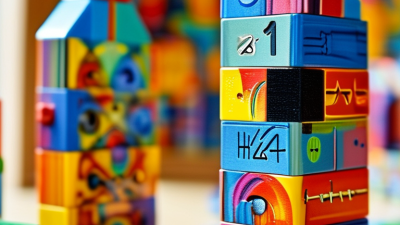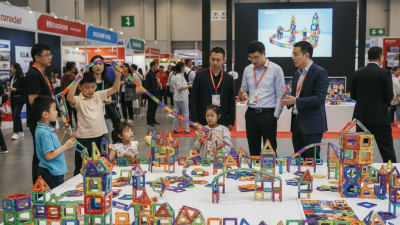
Choosing the best Magic Blocks Magnetic set involves more than counting pieces. A strong set should support creative play, safe handling, and steady skill development. Parents should examine magnet strength, connector design, block size, surface durability, and age guidance. Small details matter. A loose panel or weak connection can quickly frustrate a child.
Dr. Amanda Gummer, a child-development and toy-safety specialist, often stresses that “the best toys encourage children to think, create, and solve problems independently.” This principle fits magnetic construction play. A useful Magic Blocks Magnetic set should let children build a tall tower, rebuild it after a collapse, and discover why the structure failed. It should not force one fixed result. Open-ended play has greater long-term value.
This guide compares practical features, including magnetic stability, material quality, design variety, and storage convenience. It also considers how the set performs during real family use. A product may look impressive in photographs but feel limited on the living-room floor. That is worth questioning. I would also avoid judging quality by piece count alone. More pieces can mean more possibilities, but they can also create clutter and weaker construction. Buyers should check independent reviews, manufacturer safety information, and clear testing claims before purchasing. Even experienced shoppers can overlook these points. The most suitable set balances imagination, reliability, and everyday usability. It should feel satisfying in small hands, remain engaging after repeated builds, and provide confidence without promising perfection.
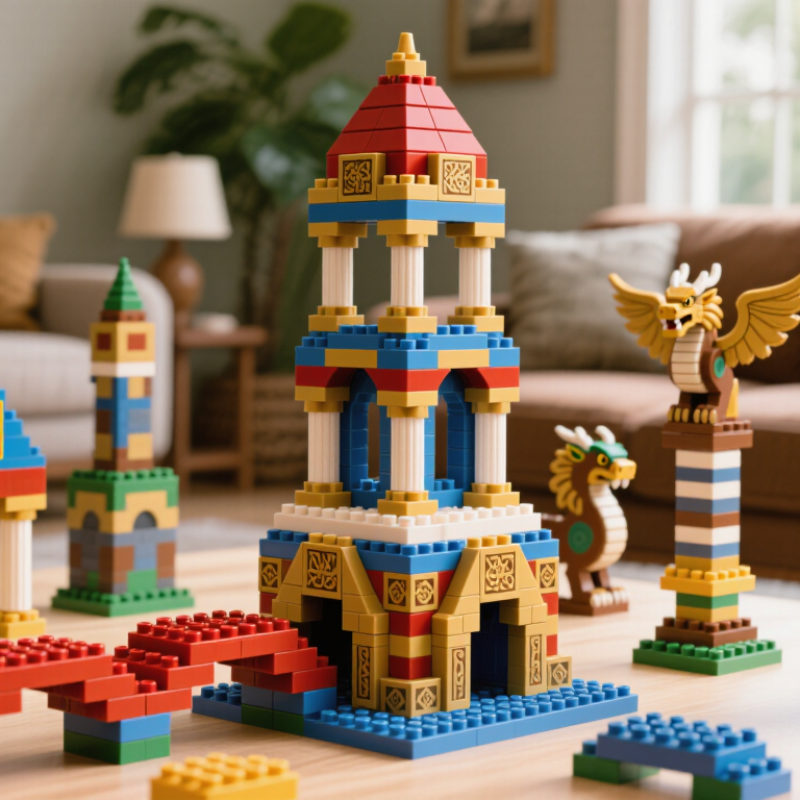
“Best” should mean safely tested, not simply attractive or strongly magnetic. ASTM F963-23 is the mandatory U.S. toy safety standard under CPSIA. It covers magnet safety, accessible parts, sharp points, small parts, and material hazards. CPSIA also requires third-party laboratory testing, certification, and traceability records. Check the product’s age grading and ask for current test documentation. A colorful box is not evidence.
ASTM F963-23 ASTM F963-23 is the mandatory U.S. toy safety standard under CPSIA. It covers magnet safety, accessible parts, sharp points, small parts, and material hazards.
CPSIA CPSIA also requires third-party laboratory testing, certification, and traceability records. Check the product’s age grading and ask for current test documentation. A colorful box is not evidence.
EN 71 provides another useful benchmark for products sold in Europe. EN 71-1 examines mechanical and physical risks, while EN 71-2 addresses flammability. EN 71-3 evaluates the migration of certain elements from accessible materials. For magnetic blocks, inspect every piece for cracks, loose covers, or exposed magnetic components. Test the connection gently. Excessive attraction is not automatically better.
The U.S. Consumer Product Safety Commission reported about 231,000 toy-related emergency-department injuries in 2023. That figure makes small design details important.
Look for smooth edges, durable plastic, secure magnet enclosures, and clear supervision guidance. Avoid sets with missing warnings or vague compliance claims. Even careful selection has limits. Real children use toys unpredictably, and no certificate replaces routine inspection.
Recheck pieces after drops, chewing, or repeated assembly. That part is often overlooked.
Magnet strength should come before colorful packaging. Strong connections keep a tall tower stable, especially when children add roofs or bridges. However, excessive force can make small hands struggle during separation. A practical test is simple: build a square, lift one side, and observe whether the joints twist or release cleanly. The educational toys market reached an estimated USD 62.3 billion in 2022, with Grand View Research forecasting a 10.9% annual growth rate through 2030. That growth reflects demand, but it does not guarantee better engineering. I would test the set personally before trusting its claims.
Block count affects freedom, not necessarily quality. Sets with 30 pieces may suit quick designs, while 100 or more pieces support larger structures and group play. Shape variety matters just as much. Squares create walls, triangles reinforce angles, and windows add visual detail without requiring extra pieces. Check whether different shapes connect evenly. Uneven edges can produce gaps, leaning towers, and frustrating rebuilds. Connection performance should remain consistent after repeated use, although real-world wear is often overlooked.
Safety also deserves careful checking. ASTM F963-23 includes requirements for magnets in toys, while the U.S. Consumer Product Safety Commission warns about loose high-powered magnets. Choose securely enclosed magnetic components and inspect damaged pieces immediately. In my experience, a set with slightly fewer blocks but reliable joints is more enjoyable than a large set with weak connections. I may still prefer stronger magnets for architectural builds, but younger children often need easier separation. That trade-off is easy to miss.
Choosing the best magnetic building set starts with magnet encapsulation. Under CPSC 16 CFR 1262, products containing small, powerful magnets may require safety evaluation. The key question is simple: can a magnet escape during normal play or foreseeable misuse?
Inspect each block closely. Look for fully sealed magnet pockets, even plastic walls, and joints without gaps. Press the surface, twist connected pieces, and examine corners after repeated assembly. A glossy shell can still hide a weak seal. If the product has been tested, request documentation showing applicable testing under 16 CFR 1262. Check the product description, test date, model number, and laboratory details. A vague “safe magnets” statement is not enough.
The rule focuses on magnet accessibility and performance, not appearance alone. Small magnets can create serious hazards if swallowed, especially when multiple magnets attract inside the body. Sellers should confirm whether the set falls within the rule’s scope, including magnet size and strength. Buyers should also check age guidance and supervision instructions. Packaging matters too. Required warnings should be clear, durable, and easy to notice before purchase.
I would not trust loose labels alone. A missing test report deserves questions. Also, repeated drops may expose weaknesses that a factory sample never shows. That is an uncomfortable limitation. Still, careful inspection, traceable testing, and honest product information make a better choice possible.
Choosing the best magnetic block set starts with the child’s age, not the number of pieces. Check the recommended age range carefully. Younger children usually need larger blocks that are easier to grip and harder to swallow. Small components may support detailed building, but they require close adult supervision. Always inspect pieces for cracks, loose parts, or exposed magnets.
Piece size affects both safety and creativity. Large blocks help children build simple towers, houses, and vehicles with less frustration. Medium pieces often suit preschoolers who are developing hand strength and coordination. Older children may enjoy smaller parts because they allow bridges, patterns, and more complex structures. Still, more pieces do not automatically create better learning. Storage also matters. A box that is difficult to organize may reduce regular use.
Developmental value should be visible during play. A strong set encourages children to test balance, recognize shapes, plan structures, and explain their choices. These activities support spatial reasoning, fine motor control, language, and early engineering habits. Watch how the child plays for several days. Does the set invite new ideas, or only repeat one design?
Reliable age guidance and clear safety information should influence the decision as much as appearance.
Choosing the Best Magnetic Block Set
Material quality affects both play and long-term value. Look for strong, child-safe plastic with smooth edges and even seams. Each piece should feel solid, not hollow or brittle. Magnets should stay enclosed and resist shifting during normal use. I gently shake sample pieces and inspect their corners. A faint plastic smell is not automatically dangerous, but it deserves attention. Manufacturer testing information is more useful than bright packaging claims.
Durability matters when children build towers, bridges, and crowded shapes repeatedly. Check whether the connectors align without excessive force. Weak attraction causes frustrating collapses, while overly strong magnets can make separation difficult. A practical set should survive frequent drops from a table onto a hard floor. Still, no set is indestructible. I have seen small cracks appear after rough handling, even in expensive kits. That experience makes me value replacement availability more than impressive piece counts.
Price should reflect usable pieces, construction quality, and expected service life. A low-cost set may become expensive if half the pieces warp or split. Compare the cost per reliable piece, not only the box price. Warranty coverage adds another layer of confidence. Read the written period, covered defects, return process, and exclusions. Confirm whether individual pieces can be replaced. Keep the receipt and product photographs. A clear warranty does not guarantee a perfect experience, but vague wording should make you pause.