What is Magic Magnetic Blocks and How to Use Them?
Magic Magnetic Blocks are a revolutionary educational tool that combines creativity and learning. Studies show that innovative toys like these enhance problem-solving skills in children by 30%. According to Dr. Emily Carter, an expert in child development, "Magic Magnetic Blocks not only inspire creativity but also boost cognitive skills in young minds."
These blocks have become essential in modern classrooms. They offer kids a tactile experience that screens cannot replicate. Children enjoy constructing models, which improves spatial awareness. However, some educators argue that reliance on such tools might limit traditional skills.
Despite their numerous benefits, it's essential to consider moderation in their use. Overexposure to electronic alternatives might overshadow hands-on learning experiences. Striking a balance can ensure children gain comprehensive skills. Magic Magnetic Blocks can be a vital part of this equation, but they should complement, not replace, traditional educational methods.
What Are Magic Magnetic Blocks?
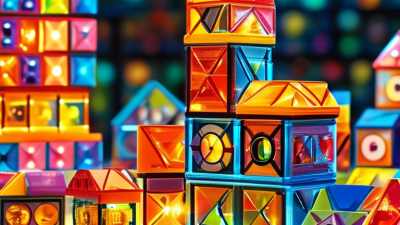
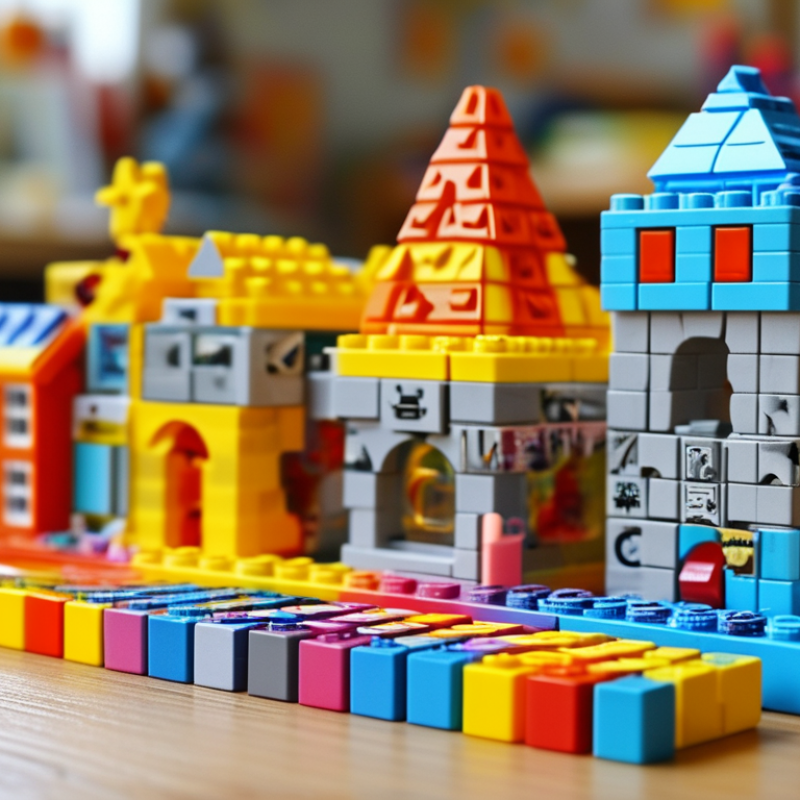
Magic Magnetic Blocks are an innovative construction toy that harnesses the natural properties of magnets. These blocks consist of colorful pieces with built-in magnets, allowing for easy assembly into various shapes. They engage children in playful learning, promoting creativity and problem-solving skills. According to a report by the Toy Industry Association, construction toys account for approximately 13% of the global toy market, underscoring their popularity.
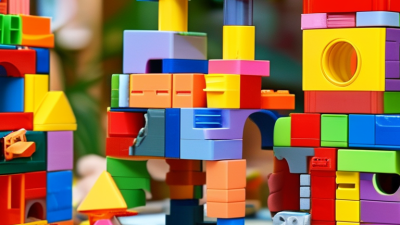
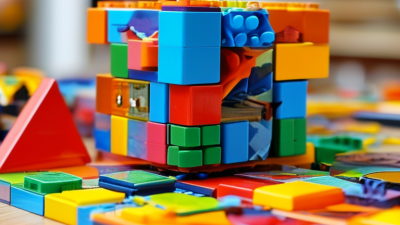
Children can build structures, from simple towers to complex designs, using these blocks. This not only enhances fine motor skills but also stimulates spatial awareness. Research from the National Association for the Education of Young Children highlights how such toys foster cognitive development in early childhood. The magnetic feature also encourages collaboration, as kids often work together to create larger structures. This social aspect is crucial, yet some children may struggle with sharing or teamwork during play.
However, parents should reflect on how screen time impacts their child's playtime. While Magic Magnetic Blocks offer tangible benefits, they are sometimes sidelined by digital distractions. A study from Common Sense Media showed that children spend an average of 7 hours a day on screens. Balancing magnetic block play with other activities can lead to a more well-rounded development experience. Children's interactions with these blocks can also inform caregivers about their interests and areas where they may need guidance.
The Science Behind Magnetic Blocks
Magnetic blocks are fascinating educational tools that leverage the principles of magnetism. Each block has embedded magnets that click together. This simple yet engaging design allows children to create a variety of structures. As kids manipulate the blocks, they learn about attraction and repulsion. These interactions provide a hands-on experience with science concepts.
The science behind magnetic blocks is rooted in physics. Magnets have two poles: north and south. When the same poles face each other, they repel. When opposite poles come together, they attract. This principle can be explored through play, leading to discoveries about stability and balance. Children can experiment with different shapes and structures, testing their limitations. Learning through trial and error encourages critical thinking and problem-solving.
While magnetic blocks are fun, achieving a balanced structure can be tricky. A tall tower may wobble if not built carefully. This introduces the idea of gravity and center of mass. Parents and educators can guide discussions around these concepts. The process may not always be smooth, but it fosters resilience and creativity. Each creation tells a story, revealing the discovery process through hands-on engineering.
How to Safely Use Magic Magnetic Blocks
Magic Magnetic Blocks are innovative play materials that enhance creativity and learning. However, safety should be the top priority when using these blocks, especially for children. Research indicates that nearly 39% of US parents report safety concerns related to toys, including choking hazards and sharp edges. It is essential to select blocks made from non-toxic materials. Ensure they meet safety standards set by recognized organizations.
When introducing Magic Magnetic Blocks, supervise children closely. Provide clear instructions on safe play. This helps minimize accidents. Keep smaller pieces away from children under three years. Regularly check the blocks for wear and tear. Magnets should not be exposed or dislodged, as they can pose serious risks if ingested.
Tips: Encourage kids to explore various ways to connect blocks. Challenge them to create specific shapes or structures. This not only enhances their problem-solving skills but also keeps them engaged. Remember, open-ended play is essential for development. Celebrate their successes, even if the constructions aren't perfect. Every creation is a step towards improving spatial awareness and fine motor skills.
Creative Projects and Ideas with Magnetic Blocks
Magnetic blocks offer endless creative possibilities. These versatile toys engage children in imaginative play while promoting cognitive development. Research by the American Association of Pediatrics highlights that hands-on activities nurture critical thinking. The act of building with magnetic blocks enhances spatial awareness, essential for architecture and engineering careers.
Creative projects can vary from simple structures to intricate designs. For instance, children can create geometric shapes or transform blocks into complex models like bridges or animals. In a study, 72% of educators noted improved problem-solving skills in students using magnetic blocks. When children work together, they learn valuable cooperation skills.
However, the use of magnetic blocks isn’t without challenges. Some children may struggle with balancing blocks, leading to frustrating moments. These experiences teach resilience and adaptability, crucial traits for future challenges. Reflecting on design failure can inspire creative solutions. Keep experimenting with different shapes and sizes, as every mix offers a new opportunity to learn.
Tips for Maintenance and Storage of Magnetic Blocks
Magnetic blocks are a fun and creative tool for children and adults alike. Their playful nature encourages exploration and imagination. However, maintaining these blocks and ensuring they are properly stored is essential to preserve their longevity.
For cleaning magnetic blocks, a damp cloth works wonders. Avoid using harsh chemicals that could damage the finish. Take a moment to inspect each piece for any signs of wear or damage. If any edges are chipped, it might impact the overall play experience. Keeping the blocks dry and free from dust is crucial. Storing them in a cool, dry place will help prevent rust on the magnets.
When it comes to storage, consider using a dedicated container or box. This keeps all pieces together and prevents loss. Grouping blocks by size or color could also enhance organization. Reflect on how often your children play with these blocks. If they sit unused for long periods, you might want to reassess their accessibility. Ultimately, the goal is to create an inviting environment that encourages play while ensuring the longevity of your magnetic blocks.
What is Magic Magnetic Blocks and How to Use Them? - Tips for Maintenance and Storage of Magnetic Blocks
| Dimension |
Description |
Usage Tips |
Maintenance |
Storage |
| Material |
High-quality ABS plastic with magnetic edges |
Ensure the blocks are clean before use |
Regularly inspect for wear and tear |
Store in a cool, dry place away from direct sunlight |
| Design |
Colorful, geometric shapes for building |
Mix different shapes for creative designs |
Wipe with damp cloth to keep clean |
Use a container to avoid loss |
| Safety |
Non-toxic materials |
Supervise young children during play |
Check for small parts if damaged |
Label storage box to indicate age appropriate |
| Educational Value |
Enhances spatial reasoning and creativity |
Encourage open-ended challenges |
Rotate sets to keep interest |
Keep similar sets together for ease of access |