What Are Magnetic Magic Blocks?
Magnetic building blocks are colorful pieces that connect through embedded magnets, turning a flat table into a small engineering site. A child can snap together a bridge, pull it apart, and rebuild it within minutes. Magic Blocks Magnetic describes this kind of open-ended construction toy, though designs and materials vary by brand. The name sounds simple. The play can become surprisingly complex.
Industry reports help explain why these toys attract attention, but they do not prove that every set improves learning. Circana’s 2024 U.S. toy industry reporting tracks sales by category and highlights how quickly consumer preferences can shift. The Toy Association’s trend reports also document ongoing interest in creative and STEM-oriented play. These sources offer market context, not a guarantee of educational outcomes. That distinction matters.
What makes magnetic blocks useful is the invitation to test ideas with visible results. A tower leans; a roof slides; a stronger base may solve the problem. Children can explore balance, shape, and spatial relationships while adults join in with questions instead of instructions. Still, magnets alone do not teach engineering. Age guidance, magnet security, and material quality deserve careful attention, especially for younger children. Check the maker’s safety information and inspect pieces for damage. Small details matter.
This guide explains what magnetic magic blocks are, how their connectors work, and what to consider before choosing a set. It also looks at their limits. They can spark good play, but they cannot replace conversation, varied materials, or a child’s own ideas. And sometimes the tower still falls.

Definition and Core Features of Magnetic Magic Blocks
Magnetic magic blocks are construction toys made from pieces that connect through built-in magnets. They let children build flat patterns or three-dimensional forms without clips or glue. The name is not a strict technical category; shapes and materials vary by set.
A core feature is quick assembly. A child can join two pieces, turn one, and feel the magnetic pull change. Many sets include squares, triangles, or rods, making it possible to create walls, towers, and simple geometric patterns. Bright colors can help children sort pieces, while open-ended designs encourage experimentation. Still, magnets do not make every structure stable. Tall builds may wobble, and connections can separate if pieces are bumped. That limitation is worth noticing.
Tips: Check the age guidance and inspect pieces for cracks or loose parts before play. Keep small pieces away from children who may put them in their mouths. Start with a low, wide base; it often supports a steadier tower. Ask children what they might change when a build falls. The answer may be surprising.
Magnetic Magic Blocks: How Magnetic Field Strength Changes with Distance
Magnetic magic blocks are construction toys that use embedded magnets to connect pieces. This chart shows a simplified dipole model: in the far field, magnetic field strength decreases approximately with the cube of distance. Values are relative to the field at the reference distance; actual blocks vary by magnet design and orientation.
Materials and Components Used in Their Construction
Magnetic magic blocks usually combine molded plastic panels with small permanent magnets sealed inside their edges. Acrylonitrile butadiene styrene (ABS) is common because it holds shape, resists impact, and forms crisp corners. Some designs use polypropylene, which is lighter and more flexible. The exact polymer varies, so appearance alone cannot confirm the material. Check product specifications where available.
The magnetic element is often a neodymium-iron-boron magnet, sometimes protected by a metallic coating against corrosion. The surrounding plastic matters just as much: it must keep magnets aligned and enclosed during ordinary play. Small parts matter. Poorly secured components can loosen after repeated drops or twisting. I would not assume every colorful tile uses the same magnet grade or fastening method.
The U.S. Geological Survey’s Mineral Commodity Summaries 2025 estimates global rare-earth mine production at about 390,000 metric tons in 2024. That figure describes mineral output, not finished magnets or toy production; the distinction is easy to miss. For a more reliable materials picture, look for documented polymer and magnet specifications, plus details about how the casing is joined. A smooth seam is reassuring, but it is not proof of durability.
How Magnetic Connections Enable Building
Magnetic building blocks connect through small magnets set inside their edges or corners. Bring two compatible sides close, and they pull together with a quiet click. The connection lets pieces form walls, roofs, towers, and wider shapes without clips or complicated tools. A square tile can become part of a box; a triangle can help turn that box into a small roof.
The magnets make building quick, but they do not make every structure sturdy. A tall tower may wobble if its base is narrow, and some pieces connect only in certain orientations. Try adding a broad base before raising the walls. Pressing pieces together gently also helps keep edges aligned. A first design may lean anyway. That is useful feedback: shift a piece, widen the base, and test again. Magnetic connections support experimenting, though they cannot replace careful handling or adult guidance for younger children.
Tips: Build low and wide before going tall. Check that edges sit flush, and rebuild any loose section. Keep blocks away from sensitive electronic devices, and follow the age and care instructions supplied with the set.
Common Shapes, Designs, and Play Applications
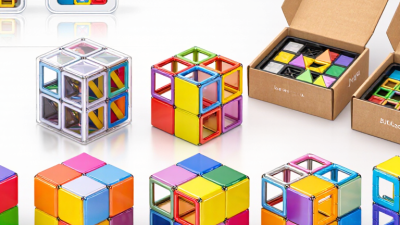
Magnetic magic blocks commonly come as squares, equilateral triangles, and long rectangles. Some sets add smaller triangles, arches, or pieces with window-like details. These shapes connect along their edges, so children can build flat patterns or lift them into three-dimensional forms. Bright colors help make repeating designs easier to spot, though clear pieces can make a model feel more like a real window. The magnets usually sit inside sealed edges; check that those edges remain intact.
A simple square-and-triangle pattern can become a house, tower, or animal pen. Rectangles make useful walls and bridges, while triangles help create roofs and pointed structures. Children may sort pieces by shape, copy a pattern, or test which base keeps a tower steady. Play can also prompt questions about balance and symmetry. It is hands-on learning, though not every build stays upright.
Tips: Start with a wide base and add one layer at a time. Ask children what might make a structure steadier. Follow the age guidance, supervise young children, and set aside any cracked or damaged piece. A small wobble is part of the experiment.
Safety, Maintenance, and Age Considerations
Magnetic blocks can look simple, but their safety depends on intact construction and age-appropriate use.
Follow the age range printed on the packaging; it reflects the product’s design and small-part risks. Keep blocks away from children below that range, especially toddlers who may mouth objects.
Small checks matter. After play, inspect each block for cracks, loose seams, swelling, or exposed magnets. A damaged block should be set aside, not taped or glued back into service.
Magnets deserve particular care. A 2021 Pediatrics analysis of U.S. emergency-department data reported a 444% increase in magnet-ingestion visits from 2009 to 2019. The finding covers magnet ingestions broadly, not magnetic blocks alone, but it shows why loose or swallowed magnets require urgent attention.
If a child may have swallowed a magnet, seek emergency medical care promptly; do not wait for symptoms. Keep blocks and detached pieces out of reach of younger siblings.
For routine care, wipe blocks with a soft, slightly damp cloth, then dry them fully. Avoid soaking, boiling, or harsh cleaners, which may weaken seams or damage surfaces. Store pieces in a closed container, away from heat and moisture. Check them again before play. A quick glance can miss a hairline split, so handle the blocks and inspect their edges closely.
Follow the manufacturer’s care instructions when they differ.